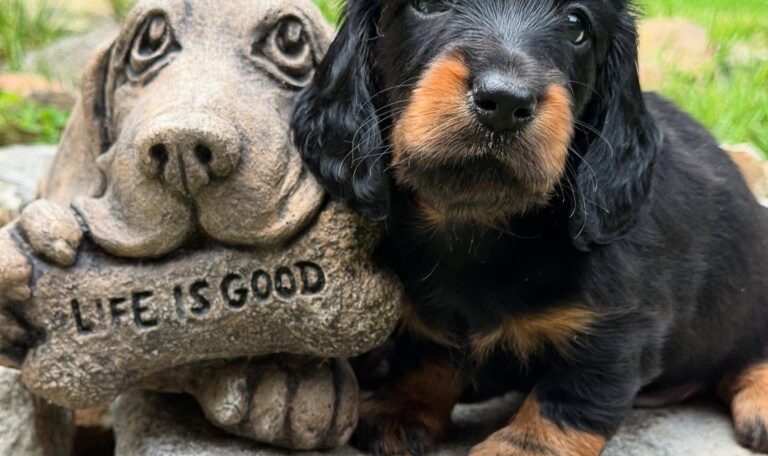
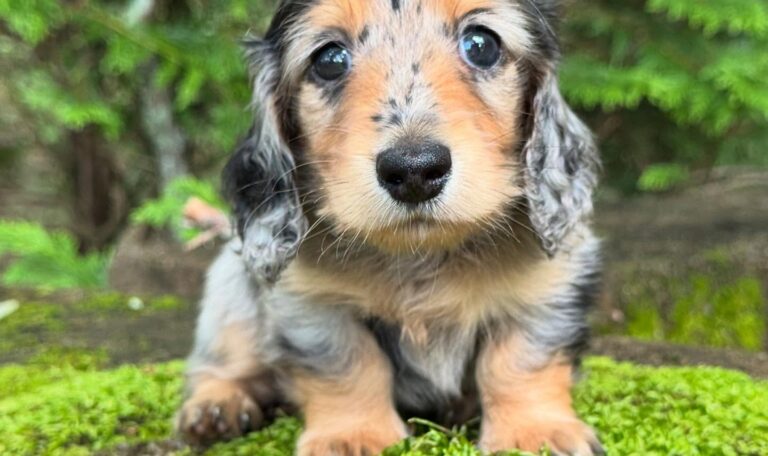
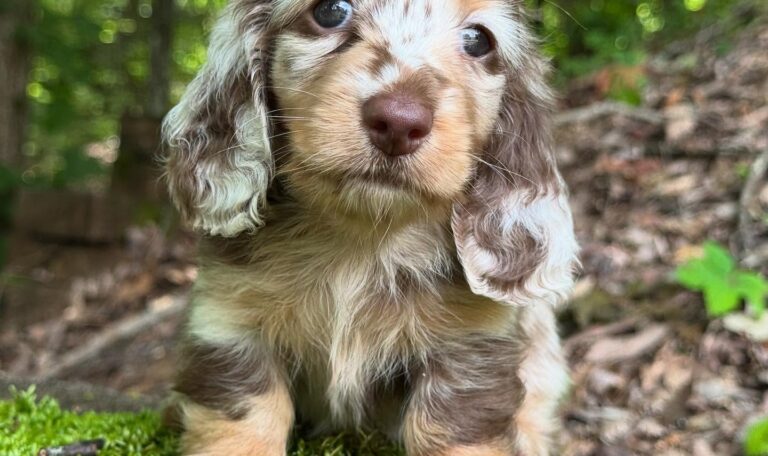
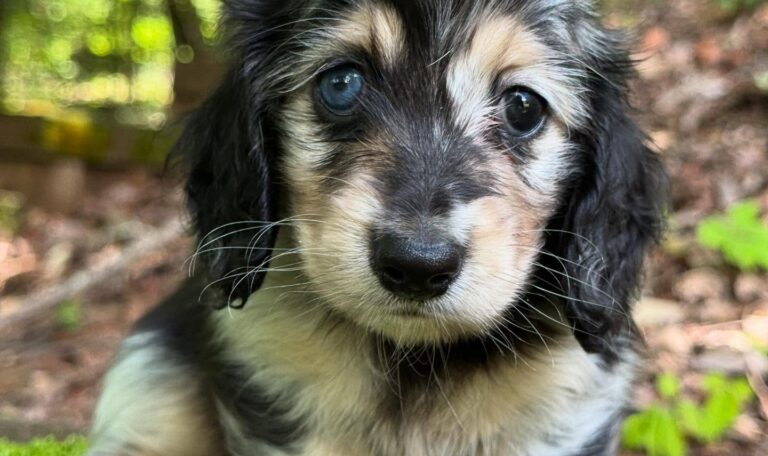
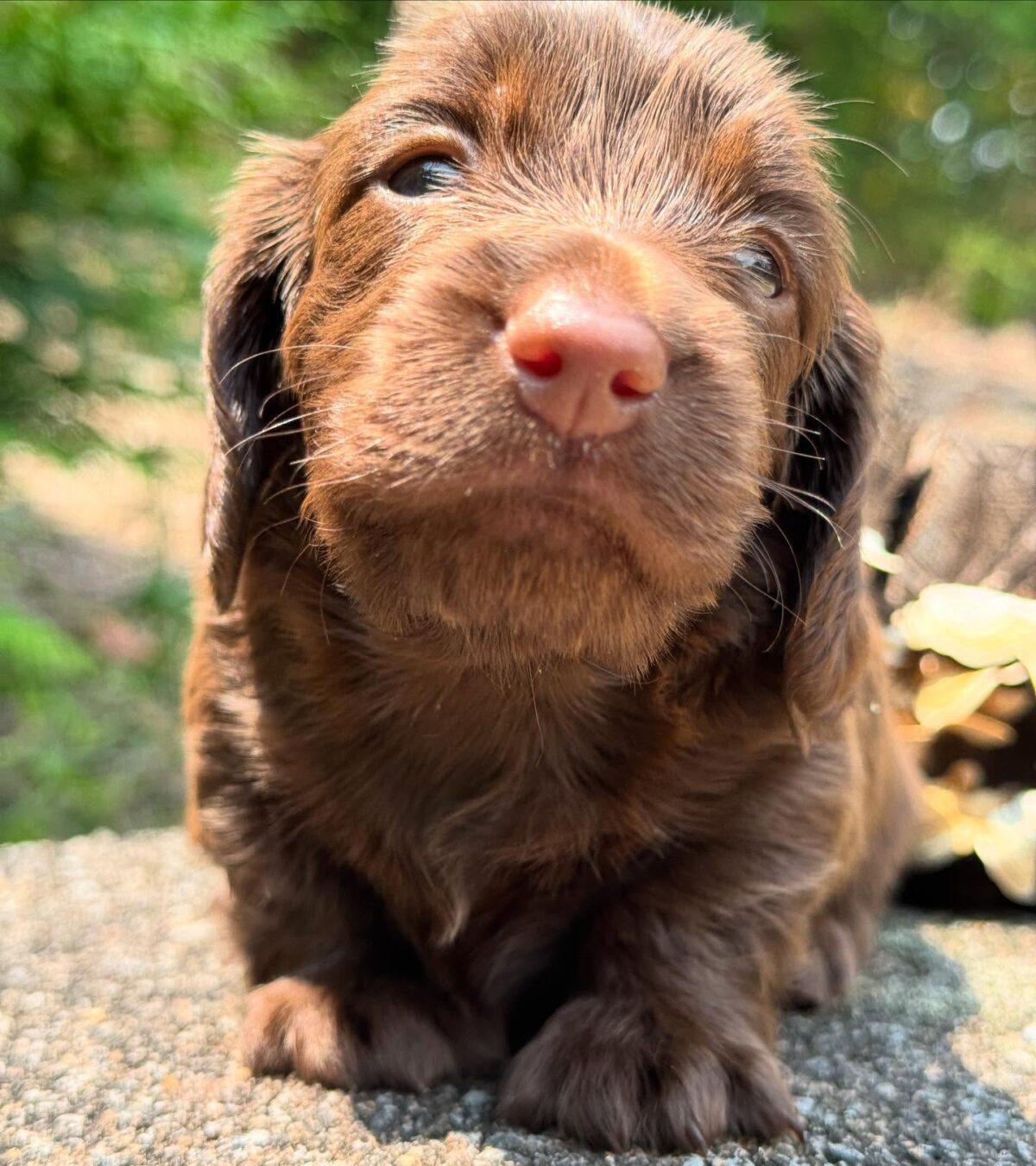
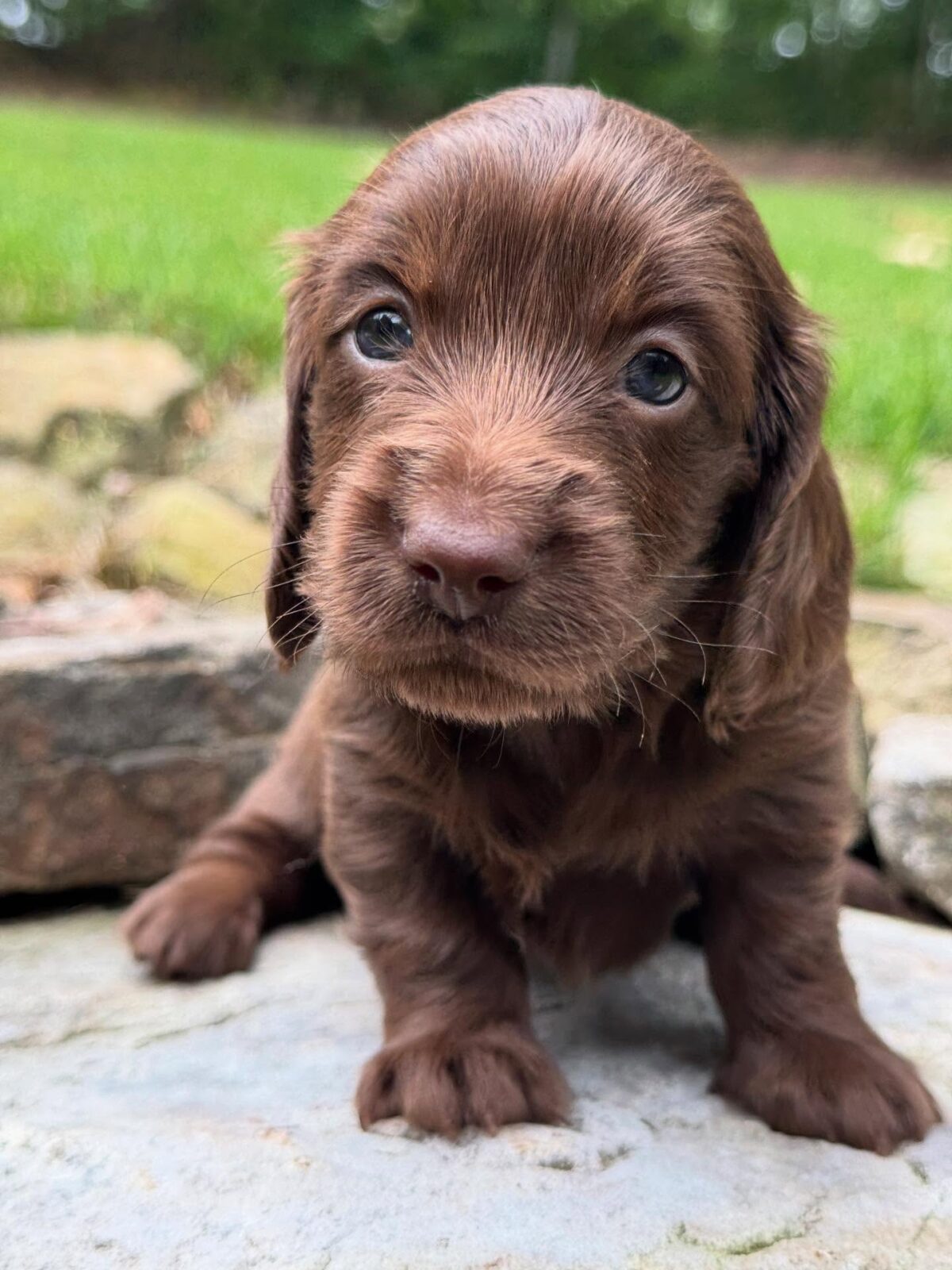
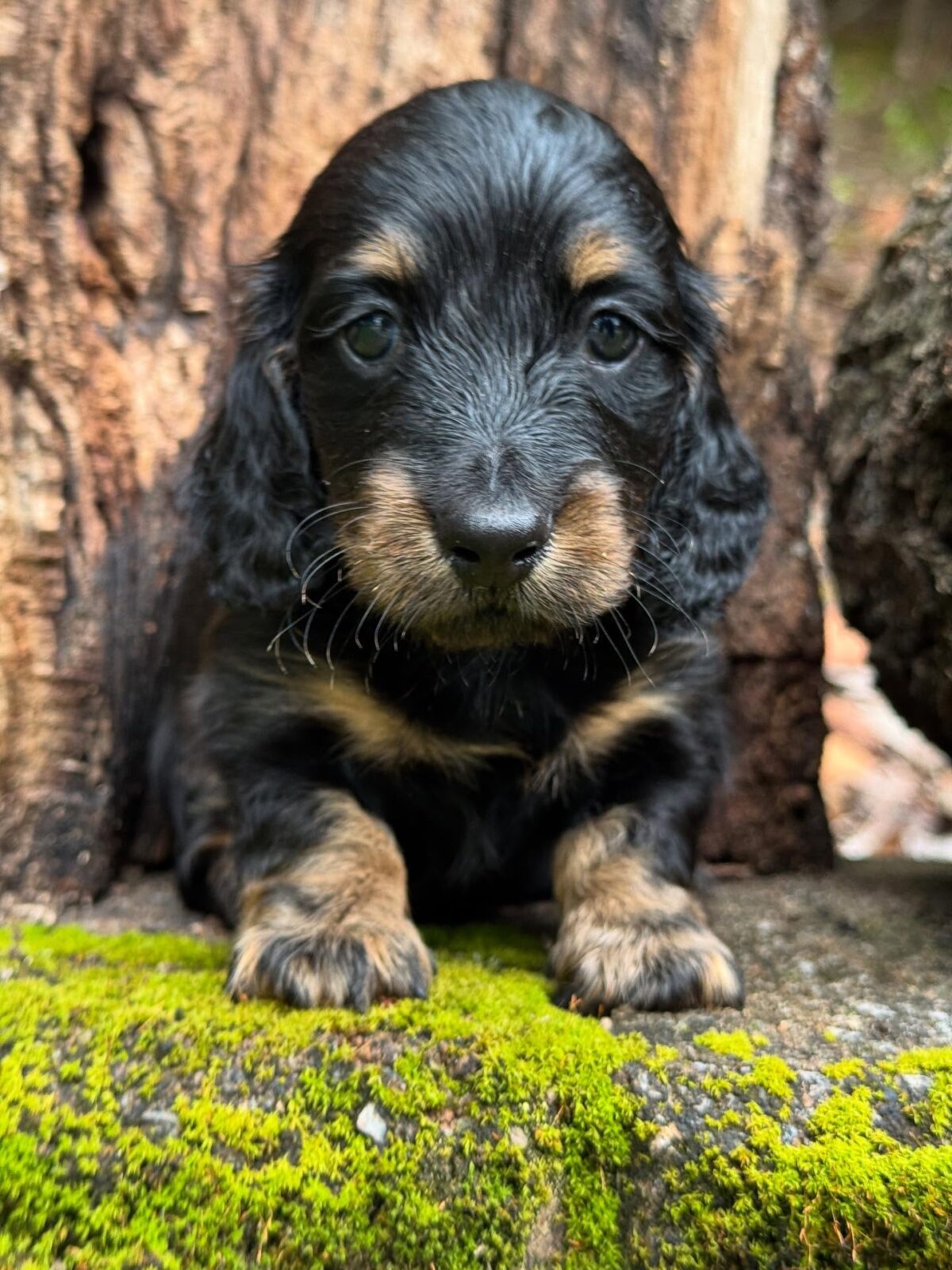
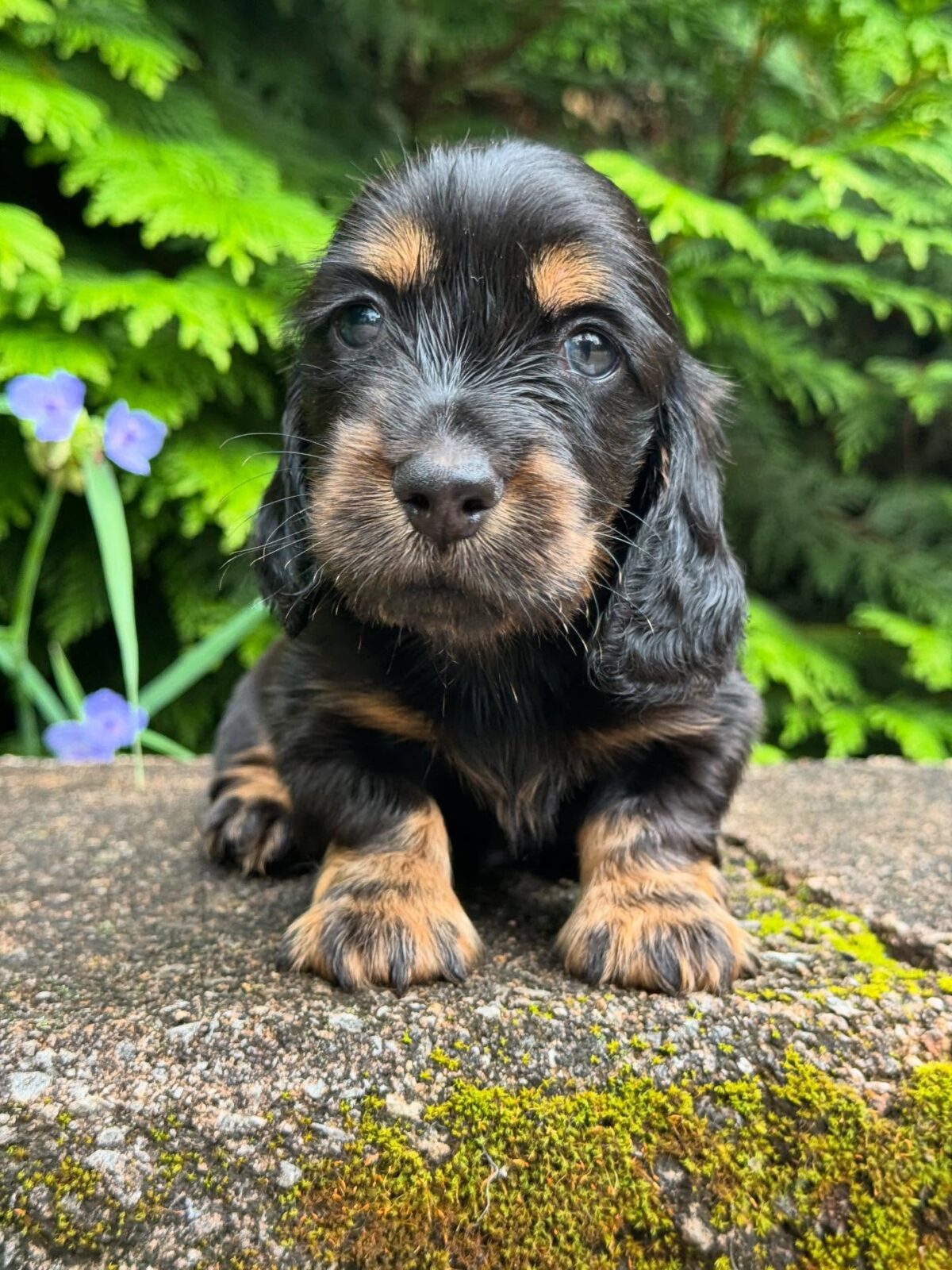
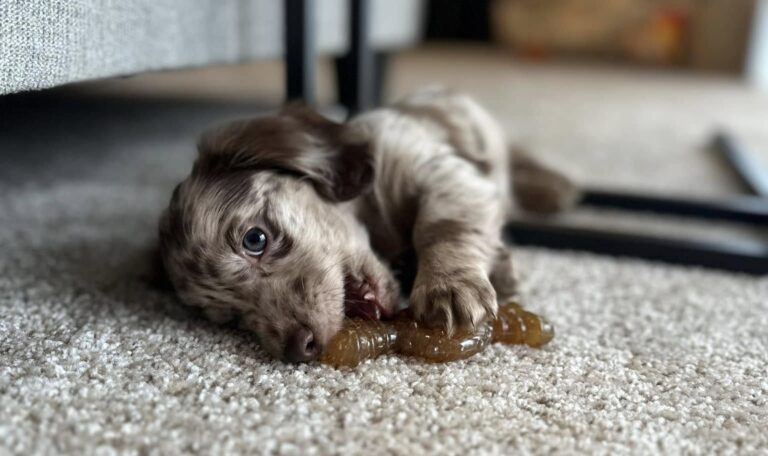
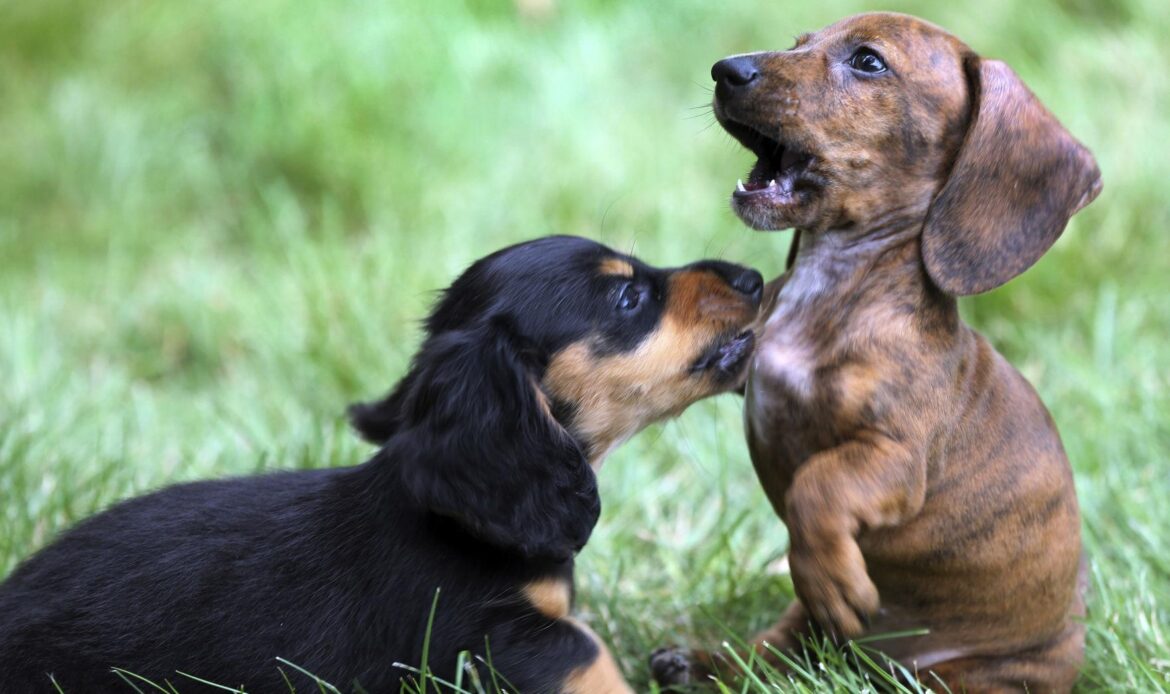
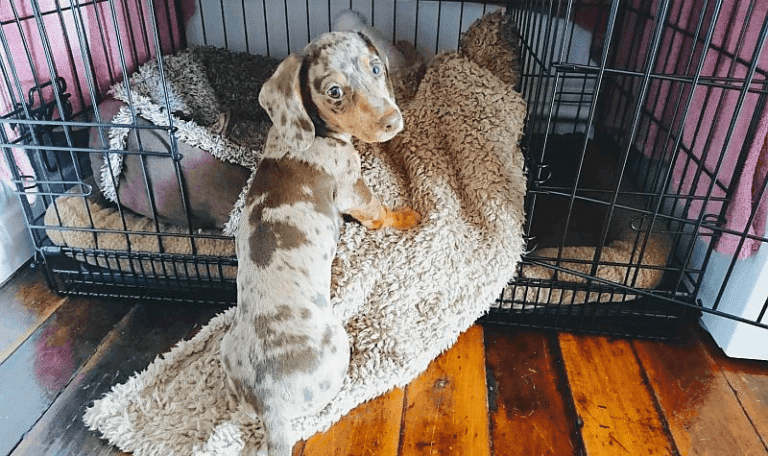
Adorable Mini Dachshund Puppies Ready for Their Forever Homes

Adorable Mini Dachshund Puppies Ready for Their Forever Homes

Looking for Adorable Mini Dachshund Puppies Ready for Their Forever Homes? You’re at The Right Place. We have the Best Dachshund Companions

Adorable Miniature Dachshund Puppies Now Ready for Their Forever Homes!

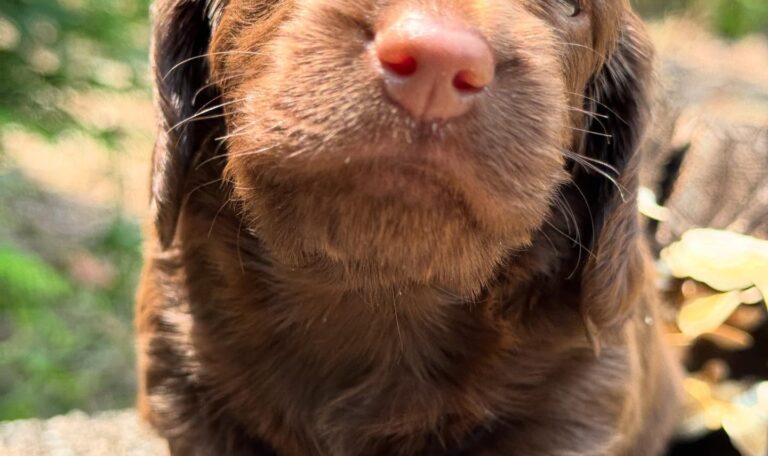
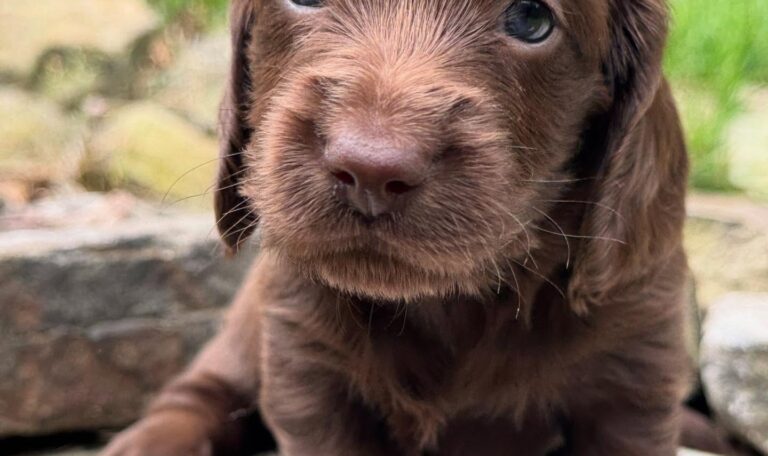
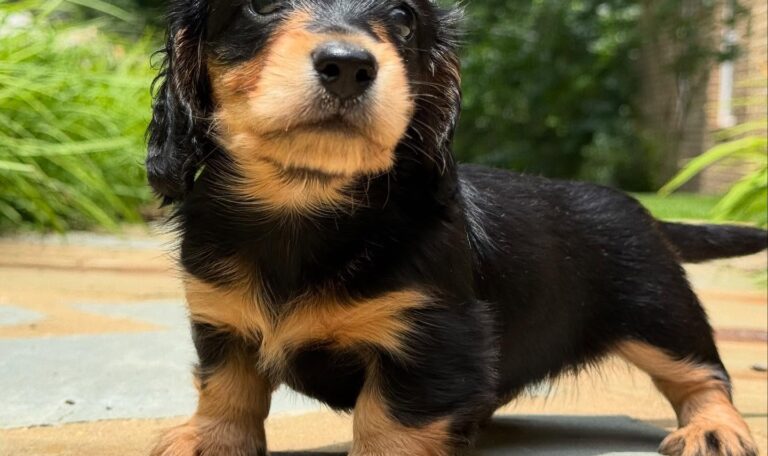
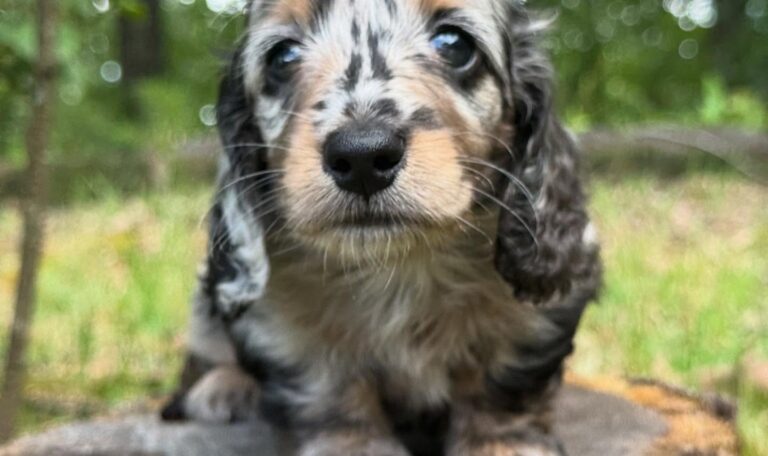
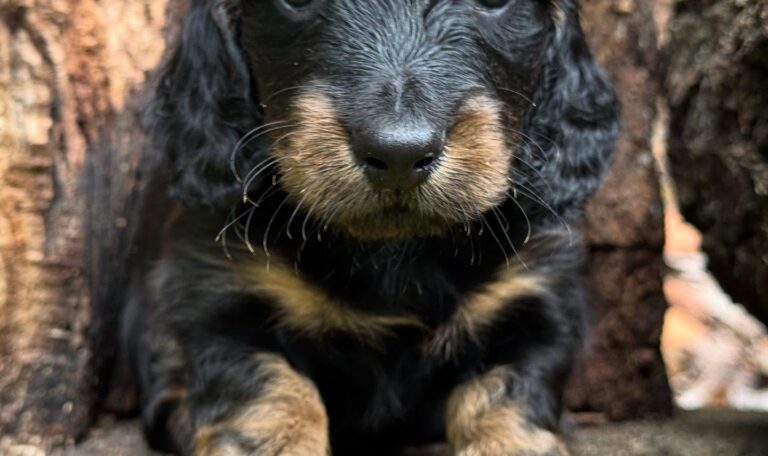
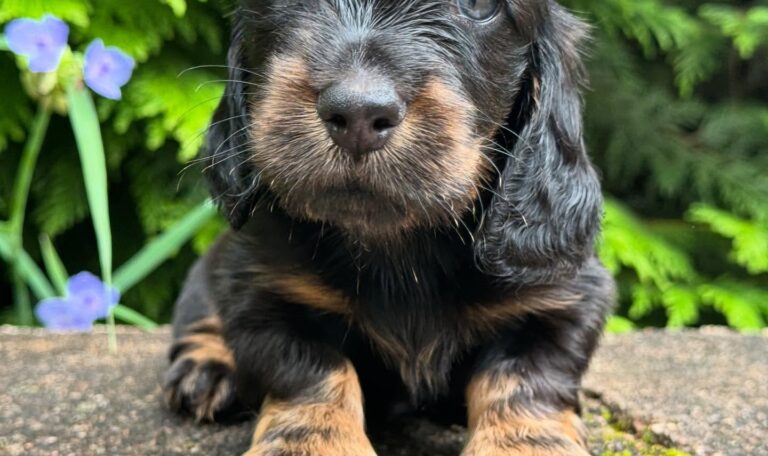
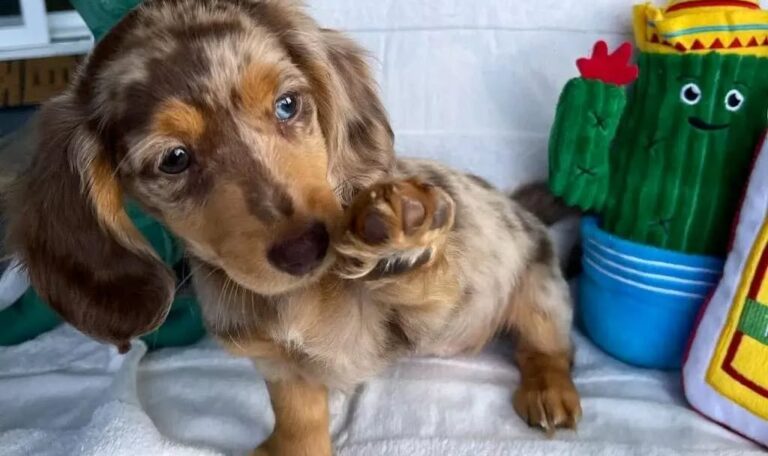
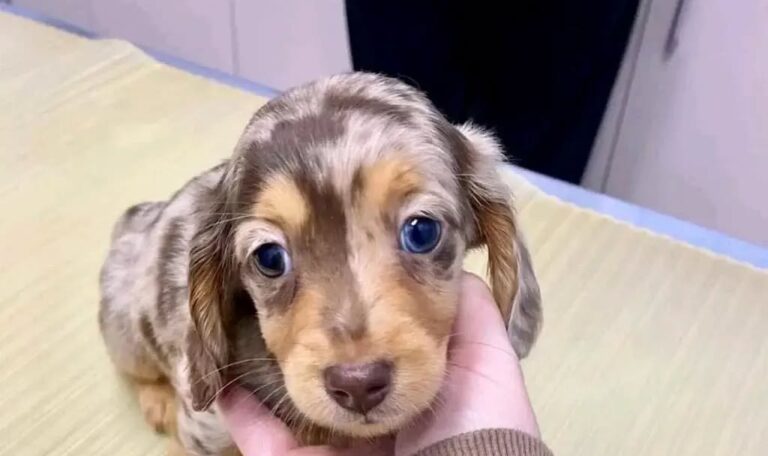
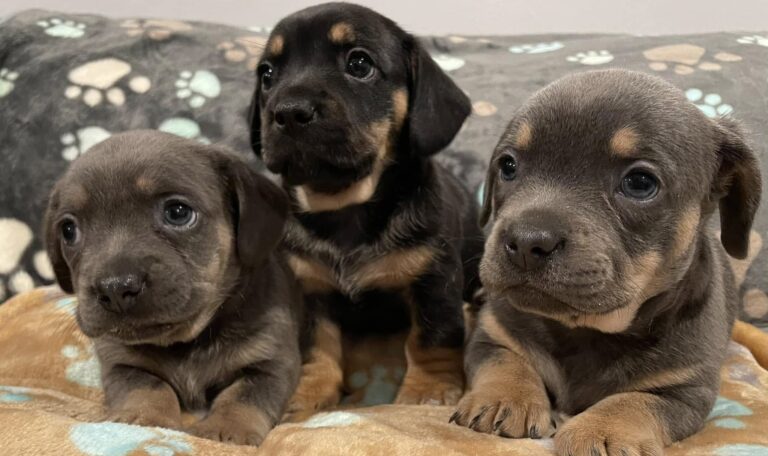
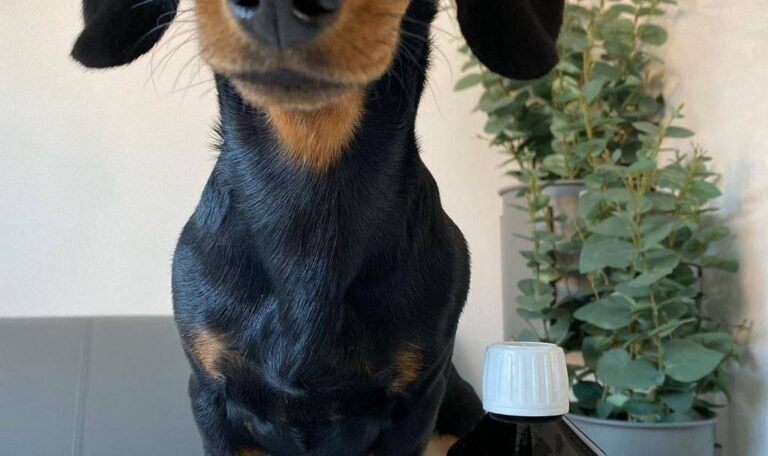
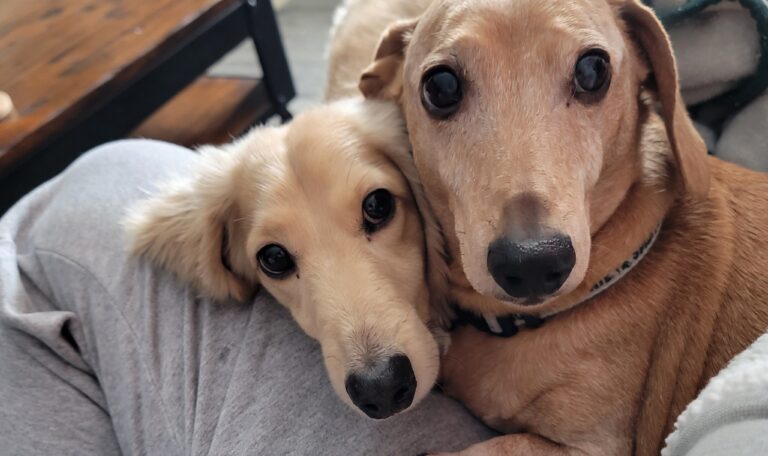
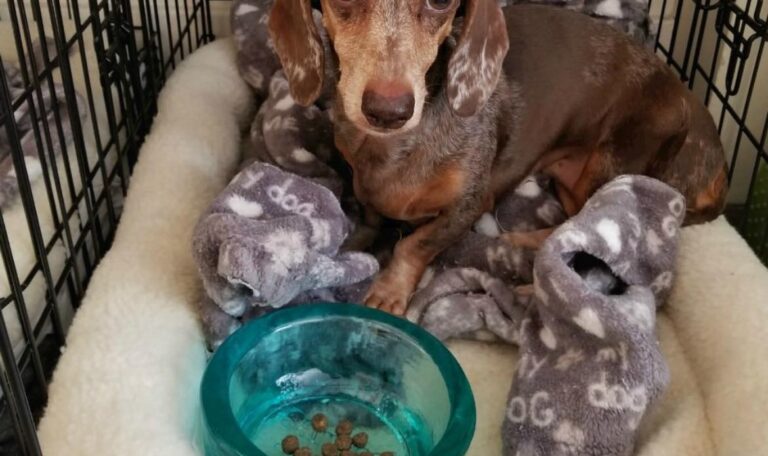
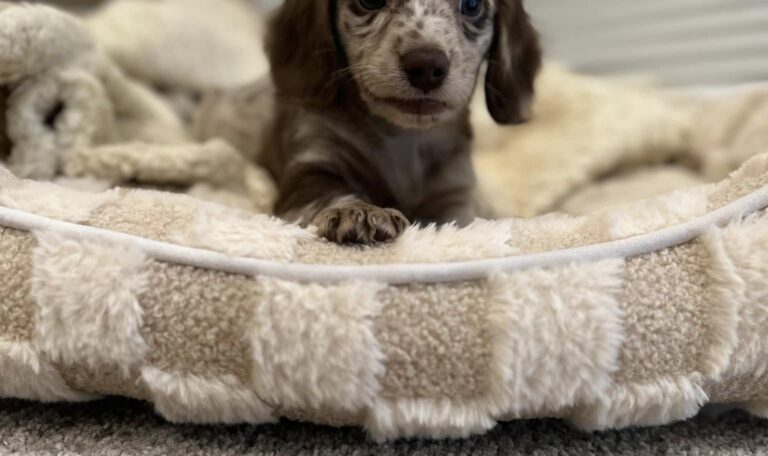
We are thrilled to announce that our delightful litter of miniature Dachshund puppies is now ready to find loving, forever families! These charming little pups are full of personality—each one brimming with playful energy, curiosity, and affection. They are also natural cuddlers, making them the perfect addition to any household.

Raised in a warm and nurturing environment, our puppies have been well-socialized from an early age. They are accustomed to being around children and other pets, which helps ensure a smooth transition into their new homes. We’ve taken great care in their early development to provide them with the best possible start in life.

Each puppy comes microchipped and will be ready to leave with all necessary initial veterinary care completed, ensuring your new companion is happy, healthy, and safe.

If you’re looking to welcome a loyal, loving, and adorable companion into your life, don’t miss this opportunity to adopt one of our precious mini Dachshunds. They are eager to meet their future families and begin their new adventures.

Adorable Mini Dachshund Puppies Ready for Their Forever Homes

Seeking Tiny Wiener Dogs in need of Loving Families

Adorable Doodle Puppies Ready for Their Forever Homes

We’re excited to share that our sweet and lovable doodle puppies are now ready to be welcomed into their forever families. These little bundles of joy are not only full of playful energy, but also make incredibly loyal and affectionate companions—perfect for individuals, couples, or families.

Each puppy has received their vaccinations and has been well-cared-for in a loving, social environment. They’re eager to bring happiness and companionship to their new homes.

We warmly invite you to visit our rescue, meet the puppies in person, and see for yourself just how special they are. If you’ve been searching for a devoted furry friend, one of these adorable doodles might be the perfect match.

Contact us today to learn more or to schedule a visit—we can’t wait to help you find your newest family member!

Mini Dachshund Puppy Gemma

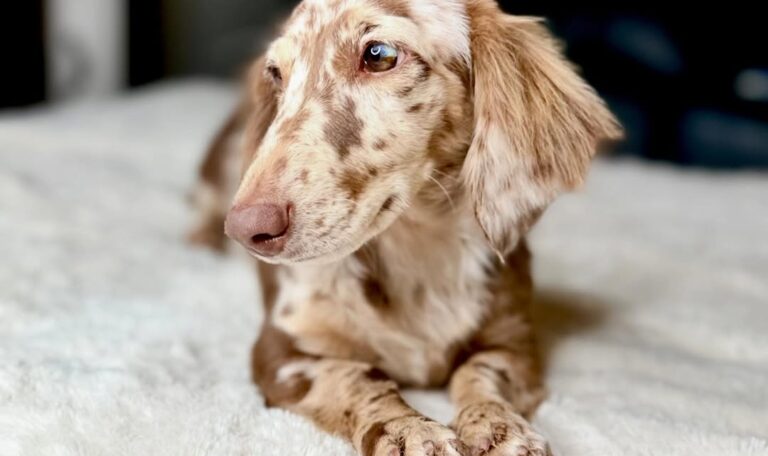
Mini Dachshund Puppy Gemma Age: 7 weeks Sex: Female Potty/House Trained: Yes Dewormed, Shots Updated: Yes Lifespan: 12-16 years Shipping & Delivery: Available Health Guarantee: 2 years Status: Available Price: 750 Registration: Yes   -Breeder Meet Up...

Original price was: $750.00.Current price is: $650.00.

Mini Dachshund Puppy Grace

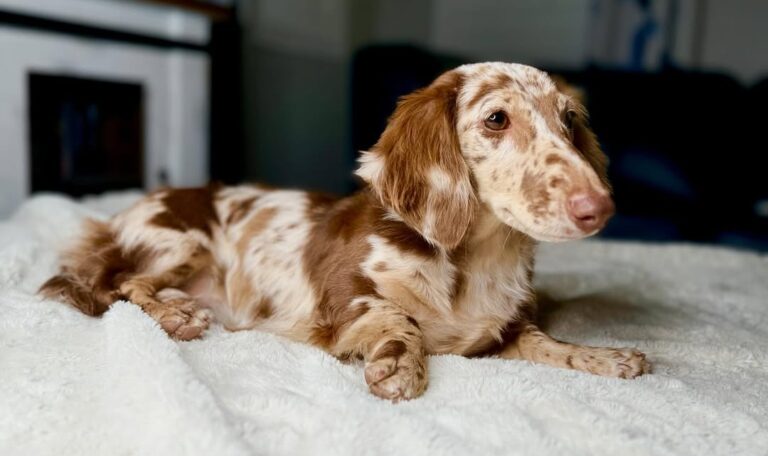
Mini Dachshund Puppy Grace Age: 7 weeks Sex: Female Potty/House Trained: Yes Dewormed, Shots Updated: Yes Lifespan: 12-16 years Shipping & Delivery: Available Health Guarantee: 2 years Status: Available Price: 750 Registration: Yes   -Breeder Meet Up...

Original price was: $750.00.Current price is: $650.00.

Discover the Perfect Companion: Find Your Perfect Pup Today!

Are you searching for a loyal companion with a big personality in a small package? Look no further than the delightful Miniature Dachshund—affectionately known as the “Mini Doxie.” These charming pups are known for their playful spirit, loving nature, and irresistible appearance. With their iconic long bodies, expressive eyes, and soft, sleek coats, they’re guaranteed to steal your heart from the very first moment.

Whether you’re a lifelong dog lover or embarking on your very first journey into pet ownership, a Mini Doxie makes an ideal companion. These adaptable dogs thrive in a variety of living situations—from cozy apartments to spacious homes—and form strong bonds with their families.

If you’re ready to welcome a devoted and affectionate friend into your life, we invite you to explore our available Mini Doxies today.

Contact us for more information or to schedule a visit—we’d love to help you find your perfect match!

Adorable Miniature Dachshunds Available for Adoption

We’re excited to introduce our beautiful litter of miniature dachshund puppies, all eagerly waiting to meet their forever families. These delightful little dogs are full of personality, affection, and charm. From their playful energy to their love of cuddles, they’re sure to win your heart the moment you meet them.

Each puppy in this litter has been raised in a nurturing environment with plenty of social interaction, making them well-adjusted, friendly, and confident. They thrive on attention and are excellent companions for families, individuals, or anyone looking for a loyal, affectionate pet.

All puppies have received their initial vaccinations and come with a complete health record, documenting their care and ensuring peace of mind as you welcome your new companion into your home. They’ve also been introduced to basic socialization with people and other pets to help them transition smoothly into their new surroundings.

Miniature dachshunds are known for their loyalty, intelligence, and spirited personalities. Whether you’re an experienced dog owner or welcoming your first pup, these little dogs make wonderful, lifelong companions.

If you’re ready to add joy, love, and a little bit of sass to your life, we encourage you to reach out and learn more about our available puppies.

We’d be happy to answer any questions and schedule a time for you to meet these charming pups in person.

Discovering Your Furry Best Friend: Mini Doxie Puppies Waiting

Are you on the lookout for a loyal, loving, and playful new companion to bring warmth and joy into your home? Look no further! We’re excited to introduce our newest litter of Miniature Dachshund puppies, and they are ready to meet their forever families. These adorable little pups are overflowing with personality, affection, and charm—and they’re sure to steal your heart from the very first moment.

Miniature Dachshunds, affectionately known as “Mini Doxies,” are beloved for their small size, big personalities, and unwavering devotion to their owners. Known for their playful spirit and affectionate nature, they make ideal companions for families, individuals, or seniors looking for a furry best friend. Whether you’re looking for a lap dog to snuggle up with on the couch or an energetic little partner to explore the world with, a Mini Doxie is a perfect fit.

Our puppies have been raised in a loving, family-centered environment with plenty of interaction and socialization from day one. They are accustomed to everyday household sounds, have spent time with both children and other pets, and are developing into confident, well-adjusted puppies. This early socialization helps ensure that your new puppy transitions smoothly into your home and adapts quickly to their new surroundings.

At this stage, the puppies are full of curiosity and starting to explore the world around them. Each one has a unique personality, but all share a playful disposition and a deep desire to bond with people. Whether it’s chasing a toy, curling up in your lap, or following you from room to room, these pups are happiest when they’re with their humans.

All of our puppies receive appropriate age-based veterinary care, including their first vaccinations, deworming, and thorough health checks. Each puppy will also come with a complete health record, giving you peace of mind and a clear overview of the care they’ve received. We are committed to the health and well-being of each puppy and ensure that they are in excellent condition before leaving for their new homes.

Miniature Dachshunds are known not only for their distinctive appearance—with their long bodies, short legs, and expressive eyes—but also for their adaptability and intelligence. While they enjoy playtime and moderate activity, they are also content to relax and enjoy quiet moments with their favorite people. They’re easy to train with positive reinforcement and thrive in environments where they feel loved and included.

Whether you live in a cozy apartment, a suburban neighborhood, or a rural setting, Mini Doxies adapt well to various lifestyles. With proper training, care, and affection, they can grow into confident, well-mannered adult dogs who will bring endless joy to your life.

If you’re looking for a loyal and energetic companion with a sweet temperament and a heart full of love, our Miniature Dachshund puppies are the perfect match. They’re not just pets—they’re family members waiting to share a lifetime of cuddles, companionship, and cherished memories.

We encourage you to reach out and schedule a visit to meet these incredible puppies in person. It’s the best way to get to know their personalities and see which one may be the perfect fit for you. We’re happy to answer any questions you have about their care, temperament, and what to expect when welcoming a Mini Doxie into your life.

Bringing a puppy into your home is a big decision, and we’re here to support you every step of the way. From choosing the right pup to preparing for their arrival, we’re committed to making the process as smooth and joyful as possible.

Contact us today to learn more about our available Miniature Dachshund puppies and to arrange a time to meet them. Your new best friend may be just a phone call or message away—and they’re ready to fill your home with love, laughter, and plenty of cuddles.

Are Dachshunds Good Pets

Are Dachshunds Good Pets

Dachshunds, often affectionately referred to as “sausage dogs” or “wiener dogs,” are a popular breed known for their unique appearance, spirited personality, and strong loyalty. Originally bred in Germany to hunt badgers, their long, low-slung bodies and bold disposition made them fearless in the field.

Are Dachshunds Good Pets

Are Dachshunds Good Pets?

Pros, Cons, Temperament, and Common Issues

Dachshunds, often affectionately referred to as “sausage dogs” or “wiener dogs,” are a popular breed known for their unique appearance, spirited personality, and strong loyalty. Originally bred in Germany to hunt badgers, their long, low-slung bodies and bold disposition made them fearless in the field. But are Dachshunds good pets in a modern household? Here, we explore the advantages, challenges, temperament, and common health or behavioral issues to help you decide if this breed is right for you.


Temperament and Personality

Dachshunds are intelligent, curious, and highly devoted to their families. They form strong bonds with their owners and often become attached to one person in particular. While generally affectionate and loving, they also have a stubborn and independent streak, which can make training a bit more challenging compared to other breeds.

They are naturally alert and make excellent watchdogs, but this trait can also result in excessive barking if not properly managed. Their hunting background means they are driven by scent and may become easily distracted or determined when following a trail.


Pros of Owning a Dachshund

  • Loyal Companions: Dachshunds are deeply loyal and thrive on close human companionship.

  • Compact Size: Their small frame makes them ideal for apartments or homes with limited space.

  • Long Lifespan: They are known to live well into their teens with proper care.

  • Low Grooming Needs: Short-haired varieties require minimal grooming, though long-haired and wire-haired types need regular brushing.

  • Entertaining Personality: Dachshunds are playful, expressive, and full of character, often keeping their owners amused.


Cons and Common Issues

Despite their many lovable qualities, Dachshunds are not the easiest breed for every household. Potential drawbacks include:

  • Stubbornness: Training requires consistency and patience. Dachshunds are intelligent but often choose to do things their own way.

  • Excessive Barking: Their watchdog instincts can lead to persistent barking without proper training.

  • Separation Anxiety: They don’t enjoy being left alone for long periods and may develop anxious behaviors.

  • Back Problems (IVDD): Due to their long spine, Dachshunds are particularly prone to Intervertebral Disc Disease (IVDD). Owners must be cautious about activities like jumping, stairs, or rough play.


Is a Dachshund Right for You?

Dachshunds can make wonderful pets for the right owner—someone who appreciates their bold personality, invests time in consistent training, and is mindful of their physical limitations. They are best suited to households where they are not left alone for extended periods and where their physical environment is safe and supportive of their unique structure.

With the right approach, a Dachshund can be an affectionate, entertaining, and loyal addition to your family. However, it’s important to understand the breed’s needs and be prepared for both the joys and the challenges they bring.

Are Dachshunds Good Pets

Note: Research and my own experience as a Dachshund owner of over ten years served as the foundation for this post. I’m not a certified dog behaviorist or veterinarian.

Dachshunds are part of the hound group and are the smallest breed within this classification.
An adult Dachshund typically reaches a maximum height of around 9 inches at the shoulder. With proper care, they enjoy a relatively long lifespan of 12 to 15 years, making them a committed and long-term companion for many families.

If you are considering adding a Dachshund to your household, it is highly recommended that you conduct thorough research beforehand. Gaining a clear understanding of the breed’s characteristics, temperament, and care requirements will help ensure a positive and informed decision.

Feedback from Dachshund owners can vary greatly. While many are devoted to the breed and appreciate their loyalty and charm, others may encounter behavioral or health-related challenges that require time, patience, and consistency. Dachshunds are known for their intelligence and independence, but this can sometimes present difficulties in training and day-to-day management.

Before bringing a Dachshund into your home, it is important to familiarize yourself with their basic care needs, exercise requirements, grooming routine, and common health concerns. Doing so will help you determine whether this breed aligns with your lifestyle and expectations.

Mobility Loss and Common Health Issues in Dachshunds

Mobility loss and paralysis are among the most significant health concerns associated with the Dachshund breed. Due to their distinctive physical structure—characterized by an elongated spine and short legs—Dachshunds are particularly vulnerable to a range of musculoskeletal issues, most notably those affecting the spine.

One of the most prevalent conditions in Dachshunds is Intervertebral Disc Disease (IVDD), a degenerative disorder that affects the cushioning discs between the vertebrae of the spine. Because of their long backs and low-to-the-ground bodies, Dachshunds experience increased stress on their spinal columns, making them especially prone to disc herniation, slipped discs, and spinal compression injuries. These conditions can lead to varying degrees of pain, limited mobility, and, in more severe cases, complete paralysis.

As Dachshunds age, their spinal health can continue to deteriorate. Degeneration of the vertebrae and discs may lead to progressive mobility issues, ultimately resulting in the dog’s inability to walk or move independently. In such cases, many Dachshund owners turn to canine mobility aids, such as specially designed wheelchairs, to help their pets maintain a better quality of life.

However, mobility challenges are only one aspect of the broader health profile of this breed.

Other Common Health Concerns in Dachshunds

In addition to spinal and mobility issues, Dachshunds are predisposed to a variety of other medical conditions:

  • Gastric Dilatation-Volvulus (Bloat):
    One of the more serious and potentially life-threatening conditions seen in Dachshunds is bloat, or gastric torsion. This occurs when the stomach fills with gas and may twist on itself, cutting off the blood supply. Symptoms include restlessness, excessive drooling, a distended abdomen, and signs of pain or distress. Immediate veterinary attention is critical, as untreated bloat can be fatal.

  • Skin Conditions:
    Dachshunds may suffer from various skin disorders, including allergies, dermatitis, and dry or flaky skin. These issues can cause discomfort and lead to excessive scratching or infections if not properly managed.

  • Epilepsy:
    Some Dachshunds are prone to seizures due to hereditary epilepsy. This neurological disorder can often be managed with medication but requires careful monitoring and veterinary support.

  • Diabetes:
    Like many small breeds, Dachshunds are at risk of developing diabetes mellitus, particularly in their senior years. Signs include increased thirst, frequent urination, and weight loss despite a normal or increased appetite.

  • Eye Problems:
    Dachshunds may also be susceptible to vision-related issues such as cataracts, progressive retinal atrophy (PRA), and glaucoma. Regular eye check-ups can help detect early symptoms and slow disease progression.

Are Dachshunds Good Pets

Conclusion

While Dachshunds are a beloved breed known for their affectionate and spirited nature, potential owners should be aware of the health challenges they may face. Regular veterinary check-ups, proper diet, weight management, and responsible activity levels can help prevent or delay many of these conditions. Being informed and proactive is key to ensuring a long, happy, and healthy life for a Dachshund.

Dachshunds Love to Jump

Dachshunds are lively, energetic dogs that often exhibit a natural enthusiasm for jumping—whether it’s onto furniture, into your arms, or over small obstacles. However, this instinctive behavior presents a significant risk due to the breed’s unique physical structure. While they may enjoy jumping, the irony lies in their vulnerability: Dachshunds have long spines and short, sturdy legs, a combination that makes them especially prone to spinal injuries.

One of the most common and serious health issues Dachshunds face is Intervertebral Disc Disease (IVDD), a degenerative condition that affects the discs between their vertebrae. Sudden impact or repeated strain—such as from jumping off high surfaces—can trigger or worsen this condition. A single misjudged leap from a couch or bed can result in slipped or herniated discs, leading to pain, limited mobility, or even paralysis.

As a responsible owner, it’s crucial to actively discourage jumping behavior and take preventative measures around the home. Training your Dachshund from an early age not to jump onto or off elevated surfaces is essential. Use positive reinforcement techniques to encourage safer alternatives and reward calm, controlled behavior. Many Dachshund owners choose to install pet-friendly ramps or low steps beside sofas, beds, or porches to allow their dogs to move more safely and independently without placing undue stress on their spine.

In addition to managing jumping, proper lifting and handling techniques are vital in protecting your Dachshund’s spinal health. When picking up your dog, always support both the chest and the rear simultaneously, ensuring that the spine is kept level and fully supported. The safest way is to place one hand under the dog’s chest (just behind the front legs) and the other under the abdomen or hindquarters to support the back end.

Never lift a Dachshund by the front legs, under the arms, or without supporting the lower body. Improper lifting over time can contribute to spinal stress and increase the risk of chronic injury. This is especially important for children or unfamiliar visitors who may not be aware of the breed’s fragility—supervision and education are key.

For households with young children, it’s recommended to teach them how to safely handle the Dachshund and to avoid play that involves rough lifting or jumping. Additionally, consider placing non-slip mats or rugs in areas with hard flooring to help prevent falls or loss of footing, which can also lead to back injuries.

Conclusion

Dachshunds are spirited and agile dogs, but their structural vulnerabilities require owners to be vigilant and proactive. By minimizing jumping, using ramps, and always lifting with proper support, you can significantly reduce the risk of injury and help your Dachshund live a long, healthy, and mobile life. Prevention is the best strategy when it comes to safeguarding the spine of this beloved and unique breed.

Dachshunds Are Not Easy to House Train

Understanding the Challenges of Training a Dachshund

Training is one of the most essential responsibilities of any dog owner. A well-trained dog is not only easier to manage in everyday situations but also safer to have around children, guests, and other animals. Basic obedience, socialization, and behavioral training form the foundation of a harmonious human-canine relationship. However, when it comes to training certain breeds—particularly the Dachshund—owners must be prepared for unique challenges.

Dachshunds are intelligent, curious, and bold dogs, but they are also widely known for their strong-willed and independent personalities. According to canine behavior experts, this inherent stubbornness can make training more difficult than with other, more compliant breeds. While their intelligence allows them to learn commands quickly, their independent streak often means they may choose not to obey—especially if they don’t see a compelling reason to do so.

This can be frustrating for first-time dog owners or those expecting fast, easy results. In fact, some Dachshund owners become so discouraged by the resistance they encounter that they abandon training efforts altogether, inadvertently reinforcing bad habits. Inconsistent training, lack of structure, or improper use of discipline can all contribute to behavioral issues such as excessive barking, possessiveness, or even aggression.

If you are looking for a dog that is naturally obedient, eager to please, and quick to follow commands, the Dachshund may not be the best match. This breed requires patience, consistency, and a firm but positive approach. Harsh correction methods tend to backfire with Dachshunds, leading to mistrust or defiance. Instead, positive reinforcement—using treats, praise, or toys—is far more effective in motivating them.

That said, owning a Dachshund does not mean you have to accept disobedience or behavioral problems. If you are committed to the breed but unsure about your training skills, it is highly recommended that you enlist the help of a professional dog trainer, preferably one with experience in working with small or strong-willed breeds. A good trainer can help establish structure, teach essential commands, and guide you through techniques that work specifically for Dachshunds.

Additionally, early socialization is key. Introducing your Dachshund to various people, environments, and other animals while they are still a puppy will help them develop into a more adaptable and well-mannered adult dog. Regular mental stimulation and structured activities such as puzzle toys or scent games can also help reduce unwanted behavior.

Are Dachshunds Good Pets

Conclusion

While Dachshunds are not the easiest breed to train, they are far from untrainable. With time, patience, and the right training approach, they can learn and respond effectively. However, prospective owners should enter into Dachshund ownership with realistic expectations and a willingness to invest in proper training methods. Whether you do it yourself or work with a professional, consistent and positive training is essential to raising a well-behaved and happy Dachshund.

Wiener Owners Need an Extra Dose of Patience

Training Dachshunds Requires Patience, Consistency, and Emotional Control

As previously discussed, Dachshunds are known for their intelligence and spirited personalities—but also for their stubborn and independent nature, which can make training particularly challenging. While they are certainly capable of learning commands and developing good habits, doing so often requires a greater degree of persistence and patience than is needed with more naturally obedient breeds.

Owners should be prepared to dedicate significant time and effort to even the most basic training tasks. What might take a few sessions with another breed could take days or even weeks with a Dachshund. This doesn’t mean they are untrainable—it simply reflects their desire to do things on their own terms. It’s not uncommon for a Dachshund to understand a command perfectly well but choose not to obey if they aren’t sufficiently motivated or don’t see the value in it.

The key to success is managing your expectations and committing to a long-term, positive training strategy. Don’t expect instant results or overnight progress. Instead, focus on consistency, repetition, and reinforcement. Keep training sessions short, engaging, and enjoyable to maintain your dog’s interest and avoid frustration for both of you.

Equally important is your own emotional state during training. Dachshunds are incredibly perceptive and respond not only to your commands but also to your tone of voice, body language, and emotional energy. If you become visibly frustrated or angry, your dog may become confused, anxious, or resistant, which can hinder progress. Harsh discipline, shouting, or physical correction is not only ineffective with this breed but can also damage the trust between you and your pet.

Learning to remain calm and composed is critical. If you feel frustration building, it’s better to take a break and revisit the training later than to push through while upset. Remember, the training process is just as much about teaching your dog as it is about building a strong and trusting relationship.

It’s also important to celebrate small victories. With Dachshunds, incremental progress is still progress. Whether it’s successfully learning to sit, walk calmly on a leash, or respond to a name, each step forward strengthens the bond between you and your dog and lays the foundation for more advanced training in the future.

Conclusion

Training a Dachshund requires time, patience, emotional control, and a good sense of humor. While it can be challenging, it is also incredibly rewarding. With a positive approach, realistic expectations, and a deep understanding of your dog’s unique personality, you can help your Dachshund become a well-mannered and confident companion. For particularly difficult cases, working with a professional dog trainer experienced with this breed can make a significant difference.

Doxies Are Manipulative

Are Dachshunds Good PetsClever Companions: Why Consistent Boundaries Are Essential for Dachshunds

Dachshunds are widely recognized for their intelligence, cleverness, and sharp problem-solving abilities. As members of the hound group, they were originally bred to think independently and make quick decisions in the field—traits that still influence their behavior today. While their intelligence makes them quick learners, it also means they are highly observant and can be quite manipulative if given the opportunity.

Many Dachshund owners remark on how easily their dogs pick up on human emotions, body language, and routines. These dogs are not only aware of how much you love and care for them—they’re also highly skilled at using their charm and cuteness to their advantage. Whether it’s begging for treats with irresistible eyes or insisting on being carried instead of walking, Dachshunds have a remarkable ability to get their way—especially with owners who lack consistency in discipline and training.

If firm boundaries are not established early on, you may find yourself unintentionally catering to your Dachshund’s every whim. Over time, this can reinforce unwanted behaviors such as stubbornness, possessiveness, food guarding, or refusal to follow commands. While it’s natural to want to pamper such an adorable and affectionate companion, it’s important to remember that dogs thrive on structure. Clear rules, consistent routines, and predictable consequences help them feel secure and reduce behavioral issues.

If you currently own a Dachshund—or are planning to bring one into your home—it is essential to commit to the rules and expectations you set, either on your own or in collaboration with a professional dog trainer. Once you decide on acceptable behaviors (e.g., no jumping on furniture, no barking for attention, no begging at the table), everyone in the household must enforce those rules consistently. Mixed signals or occasional leniency can confuse your Dachshund and undermine your training efforts.

Because Dachshunds are so smart, they will test boundaries repeatedly, especially during their puppy and adolescent stages. Staying calm, firm, and consistent—even when they act particularly cute or persistent—is crucial to building a respectful relationship and maintaining long-term behavior success. Keep in mind that positive reinforcement techniques, such as treats, praise, and play, are far more effective than punishment. Reward the behaviors you want to see and ignore or redirect the ones you don’t.

Conclusion

Dachshunds are not only intelligent—they are also emotionally intuitive and socially aware, which makes them both delightful and challenging to raise. While their clever nature can sometimes be used to outsmart their owners, consistent training and firm boundaries will help you raise a confident, well-behaved companion. Remember: the more structure and clarity you provide, the more your Dachshund will respect and trust your leadership.

Dachshunds Love Attention

Is a Dachshund the Right Dog for You? Understanding Their Social Needs and Lifestyle Fit

Dachshunds, affectionately known as “wiener dogs” due to their long, low bodies, are well-loved for their affectionate nature, playful demeanor, and strong loyalty to their human companions. These dogs thrive on attention and truly enjoy being part of the family unit. They are natural cuddlers who seek out warmth and closeness—whether that’s curling up next to you on the couch, burrowing under the covers, or following you from room to room.

Dachshunds are very much indoor dogs and prefer the comfort, routine, and security of home life. They develop strong attachments to their owners and can experience separation anxiety if left alone for extended periods. For this reason, Dachshunds may not be the ideal pet for individuals or families who travel frequently or maintain demanding schedules that require long hours away from home. If you’re not able to bring your dog with you or arrange reliable companionship in your absence, a Dachshund may struggle to adjust and develop anxious or destructive behaviors.

While Dachshunds are undoubtedly adorable and full of personality, it’s important to understand that their temperament and care requirements may not be the right match for every household. For instance, families with babies or very young children should carefully consider whether a Dachshund is suitable. These dogs can become overwhelmed by excessive noise or unpredictable handling, and some may not tolerate rough play or quick movements typical of toddlers. Likewise, their strong protective instincts may lead them to bark or become possessive, which can create challenges in a busy household.

In addition, while Dachshunds are small in size, they are not low-maintenance pets. They are active, curious, and strong-willed, which can make them a handful for less active seniors or individuals with limited mobility. They require consistent training, regular walks, and mental stimulation to stay happy and healthy.

For seniors considering a Dachshund in a pet-friendly retirement community or assisted living facility, it’s important to weigh the pros and cons carefully. One potential concern is that Dachshunds are known to be frequent and vocal barkers. They are naturally alert and territorial, which can lead to barking at sounds, strangers, or even minor disturbances. In quiet environments—such as senior living communities where peace and tranquility are often highly valued—this trait may not be well-received by neighbors or facility staff.

Conclusion

Dachshunds are deeply affectionate, loyal, and lively companions—but they are not the perfect fit for every lifestyle. Before bringing a Dachshund into your home, it’s essential to assess your daily routine, living environment, and personal capabilities. With the right match and commitment to their unique needs, a Dachshund can be a delightful and devoted member of the family. However, for those unable to meet the breed’s emotional, physical, and behavioral requirements, it may be worth considering a dog that is more adaptable to your lifestyle.

Can you train an older dachshund?

Yes, it is absolutely possible to train an older Dachshund.
However, due to their naturally independent and sometimes stubborn temperament, the process may require additional patience and consistency. Positive reinforcement is key—reward desired behaviors with treats, praise, or affection to encourage repetition. When addressing unwanted behavior, use clear and consistent corrections, such as a firm and calm “No,” to communicate boundaries. With perseverance and the right approach, older Dachshunds can learn new commands and improve their behavior over time.

By consistently ignoring undesirable behavior and rewarding positive actions, you should see gradual improvement over time.
While it may not be possible to completely eliminate all unwanted habits, many can be managed effectively with patience and ongoing training. Moreover, the training process itself strengthens communication and enhances your overall control, making it easier to guide your Dachshund’s behavior in a positive direction.


In summary, while Dachshunds are known for their stubborn streak, effective training is entirely achievable with time, patience, and consistency.
The key is to start early, establish clear boundaries, and remain firm in maintaining them. Avoid giving in to their charming antics—consistency is crucial. With the right approach, you’ll raise a well-mannered Dachshund who understands what is expected of him, even if he doesn’t always choose to follow the rules!

Are Dachshunds Hard to Train

Are Dachshunds Hard to Train

Are you wondering how hard it is to train a dachshund? Curious about the basic training your dachshund puppy needs? Or perhaps you’ve adopted an adult dachshund and are unsure if it’s too late to begin training? This guide answers all your questions about training dachshunds—whether they’re young puppies or older dogs.

Are Dachshunds Hard to Train?

Dachshunds are not the easiest breed to train, but with consistency, patience, and the right techniques, it becomes much more manageable. While they have a reputation for being stubborn and independent, dachshunds are also intelligent and capable of learning. The key is to establish yourself as the leader early on and to use positive reinforcement to encourage the behavior you want.

Once your dachshund understands that you’re in charge, training becomes significantly easier. Structure, routine, and repetition will help your dachshund thrive.


Whether you’re starting with a playful puppy or an older rescue, it’s never too late to begin training. Read on to learn how to get started, what type of training your dachshund needs, and how to teach your dog both good manners and fun tricks—no matter their age.

Would you like a follow-up section on basic commands, house training, or common mistakes to avoid?

Are Dachshunds Hard to Train

Table of Contents

Why are dachshunds hard to train?
Can dachshunds be trained?
How do you discipline a dachshund?
What age should you start training a dachshund puppy?
What are the best training treats for a dachshund?
How do you train a dachshund that isn’t food motivated?
What training do you need to do with a dachshund puppy?
What commands can you teach a dachshund?
Can you train an older dachshund?

Note: Research and my own experience as a Dachshund owner of over ten years served as the foundation for this post. I’m not a certified dog behaviorist or veterinarian.

Why are dachshunds hard to train?

Dachshunds were originally bred in Germany as hunting dogs, specifically to track and flush out badgers from underground burrows. Their job required them to be fearless, tenacious, and highly independent thinkers, capable of making quick decisions without relying on human direction.

This independence, while essential in the field, has contributed to their reputation for being one of the more stubborn dog breeds. Dachshunds often like to do things their own way, which can present a challenge when it comes to training. They’re intelligent and quick learners, but they need to be motivated to follow commands—usually through positive reinforcement, patience, and consistency.

While they may not be the easiest breed to train, with the right approach and commitment, dachshunds can become well-mannered and obedient companions.

Are Dachshunds Hard to Train

Here’s what you need to know when training your dachshund:

1. Use Positive Reinforcement

Positive reinforcement is the most effective and humane method for training dachshunds. This approach involves rewarding desirable behavior—like going to the toilet outside—with treats, praise, and affection. Dachshunds quickly learn to associate positive actions with enjoyable outcomes, making them more likely to repeat the behavior.

Avoid shouting or punishing your dachshund for accidents indoors, as this can cause confusion, fear, and even lead to anxiety or defensive aggression. Instead, focus on building a strong, trusting bond. A confident, well-adjusted dachshund is more likely to respond positively to training.

2. Set Clear Boundaries

Patience and consistency are essential. For example, if you don’t want your dachshund on the sofa, that rule must always apply—regardless of how cute he looks. Mixed signals will only confuse him. Establish household rules early and ensure everyone in the family enforces them in the same way.

3. Be Consistent

Dachshunds are clever and often cheeky little characters who may push boundaries just to get your attention. While it’s important to be loving and kind, you must also be firm and consistent. That doesn’t mean raising your voice; it means calmly correcting unwanted behaviors and following through every time. Your dachshund needs to understand that you’re in charge, not the other way around.

4. Dedicate Time to Training

Bringing home a dachshund puppy requires time and commitment. Ideally, take a few weeks off work or ensure someone is available to help during the day. Everyone involved in your dog’s care should follow the same training techniques to avoid confusion. Remember, it can take a few months for a puppy to settle into a new routine and fully grasp the basics, so patience is key.

đŸŸ Smart Training Tips for Your Dachshund

1. Keep Sessions Short
Dachshunds have naturally short attention spans and need regular rest. Keep training sessions brief—around 10 to 15 minutes each, repeated 3–4 times a day. Short bursts are far more effective than long, exhausting sessions.


2. Reward Immediately
These dogs live in the moment. When your dachshund performs a command—like a precise sit—reward him instantly with praise (“Good boy”) and a treat. Some owners opt for a clicker to provide a clear marker that reinforces the correct behavior and its association with a reward.


3. Minimise Distractions
Young dachshunds are easily distracted by sights, sounds, and smells. Begin training in a quiet, distraction-free area to foster focus. Once basic commands are solid, gradually move outdoors—to your garden, then a quiet park—and eventually places with more stimuli when he is more confident.


4. Keep It Simple
While dachshunds are intelligent and quick learners, overloading them with multiple commands at once can lead to confusion. Focus on one command at a time and only move on once he has mastered it.


5. Incorporate Fun
Training should be enjoyable for both you and your puppy. Once he learns a new command, revisit it frequently—at random times and locations—to reinforce learning, keep his brain active, and strengthen your bond.


6. Socialise Regularly
Early socialisation helps prevent unwanted behaviours like barking or aggression. Arrange supervised short walks with friends’ dogs (after your pup has had all vaccinations), or find local dachshund meetups or training groups to provide exposure to other dogs and people.


With short, focused sessions, immediate rewards, gradual exposure to distractions, and plenty of positive interactions, your dachshund will grow into a well-behaved, confident, and happy member of the family.

Let me know if you’d like me to help with a step-by-step training schedule or an easy-to-print weekly planner!

Keep Building on Training
Training shouldn’t stop once your dachshund masters the basics. These intelligent little dogs thrive on mental stimulation and enjoy learning new things. To keep your dachshund engaged, continue challenging him with more advanced tasks. For example, instead of simply asking him to fetch a toy, teach him to retrieve a specific toy or item by name. This not only reinforces obedience but also keeps his mind active and strengthens your bond.


 

How do you discipline a dachshund?

The most effective way to discipline a dachshund is through the withdrawal of attention. Dachshunds thrive on interaction and dislike being ignored. If your dachshund exhibits unwanted behaviour, calmly walk away or turn your attention elsewhere. This method of discipline is far more constructive than shouting or scolding, which can lead to anxiety or confusion.

Dachshunds are known for their lively, entertaining personalities. Even when they misbehave, it’s often in a way that’s hard not to smile at. However, it’s important to stay consistent and avoid reinforcing undesirable behaviour. Always use positive, non-physical methods to correct them. Harsh discipline or physical punishment is never appropriate and can damage the trust between you and your dog.

Are Dachshunds Hard to Train

What age should you start training a dachshund puppy?

Begin training your Dachshund puppy between 8 and 12 weeks of age.
If you’ve only recently brought your puppy home, allow a few days for him to adjust to his new environment before starting formal training. This developmental stage is ideal for introducing basic obedience commands such as sit, stay, and down. Keep training sessions short and positive to ensure your puppy remains engaged and avoids becoming overwhelmed.

What are the best training treats for a dachshund?

The most effective training treats for a Dachshund include small, healthy options such as carrot or cucumber pieces, small cubes of cheese, bits of cooked chicken, dried fish sprats, kibble, chopped hot dogs, or commercially available training treats.
Since you may need to offer multiple treats during early training sessions, it’s important to choose low-calorie, natural options where possible.

Reserve high-value treats, such as cheese, for special occasions or when introducing a new command to increase motivation. Vary the types of treats you use to prevent your Dachshund from becoming bored. Additionally, don’t underestimate the power of verbal praise and affection—many Dachshunds respond just as well to encouragement and attention as they do to food rewards.

How do you train a dachshund that isn’t food motivated?

If your Dachshund is not food-motivated, consider using alternative rewards such as praise or toys.
Many Dachshunds are highly motivated by play, especially with engaging toys like balls or squeaky items—often, the louder the squeak, the more appealing it is. You can also use changes in your tone of voice to convey positive reinforcement; a cheerful, enthusiastic tone can effectively signal to your Dachshund that he has performed a desired behavior correctly.

Are Dachshunds Hard to Train

What training do you need to do with a dachshund puppy?

Essential training areas for a Dachshund puppy include the following:

  • Crate Training – Helping your puppy view the crate as a safe and comfortable space.

  • Potty Training – Establishing consistent routines for successful toilet habits.

  • Barking Management – Teaching appropriate barking behavior and reducing excessive vocalization.

  • Chewing and Nipping Control – Redirecting unwanted chewing and mouthing to acceptable alternatives.

  • Socialisation – Introducing your puppy to a variety of people, environments, and other animals to build confidence and reduce fear.

  • Lead Training – Teaching your puppy to walk calmly on a lead without pulling.

  • Recall – Training your puppy to reliably come when called.

  • Basic Obedience Commands – Including fundamental cues such as sit, stay, down, and leave it.

Early and consistent training in these areas will help lay the foundation for a well-behaved and confident adult dog.

Are Dachshunds Hard to Train

What commands can you teach a dachshund?

Common Commands to Teach a Dachshund

Dachshunds are intelligent and eager to learn, making them well-suited to a variety of basic and advanced commands. Some useful commands include:

  • Sit

  • Stay

  • Down

  • Leave it

  • Come

  • Fetch

  • Drop it

  • Paw

  • Round (walk around you)

  • Speak

  • Quiet

  • Sing

  • Gently

  • Back

In addition to these, Dachshunds can learn fun tricks such as roll over or sit up (often referred to as the “meerkat” pose). However, it’s important to exercise caution when teaching movements that involve twisting or putting strain on the spine. Unfortunately, approximately 1 in 4 Dachshunds are at risk of developing Intervertebral Disc Disease (IVDD). Always prioritize your dog’s safety and consult with your veterinarian before introducing physically demanding tricks.

Can you train an older dachshund?

Yes, it is absolutely possible to train an older Dachshund.
However, due to their naturally independent and sometimes stubborn temperament, the process may require additional patience and consistency. Positive reinforcement is key—reward desired behaviors with treats, praise, or affection to encourage repetition. When addressing unwanted behavior, use clear and consistent corrections, such as a firm and calm “No,” to communicate boundaries. With perseverance and the right approach, older Dachshunds can learn new commands and improve their behavior over time.

By consistently ignoring undesirable behavior and rewarding positive actions, you should see gradual improvement over time.
While it may not be possible to completely eliminate all unwanted habits, many can be managed effectively with patience and ongoing training. Moreover, the training process itself strengthens communication and enhances your overall control, making it easier to guide your Dachshund’s behavior in a positive direction.


In summary, while Dachshunds are known for their stubborn streak, effective training is entirely achievable with time, patience, and consistency.

The key is to start early, establish clear boundaries, and remain firm in maintaining them. Avoid giving in to their charming antics—consistency is crucial. With the right approach, you’ll raise a well-mannered Dachshund who understands what is expected of him, even if he doesn’t always choose to follow the rules!

Are Dachshunds Friendly
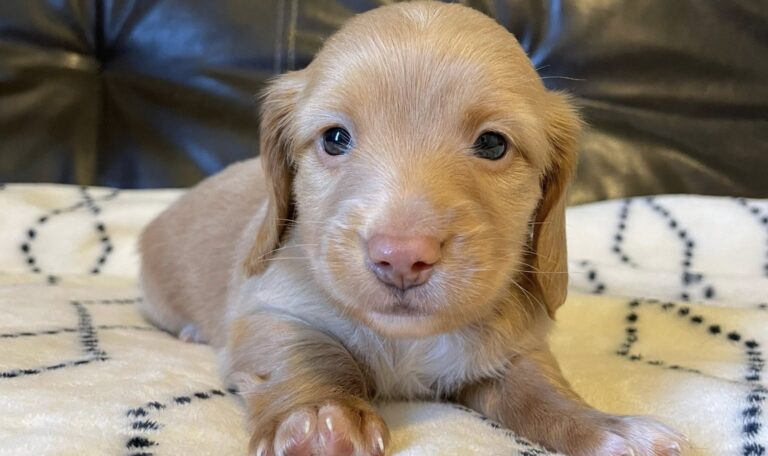

Are Dachshunds Friendly
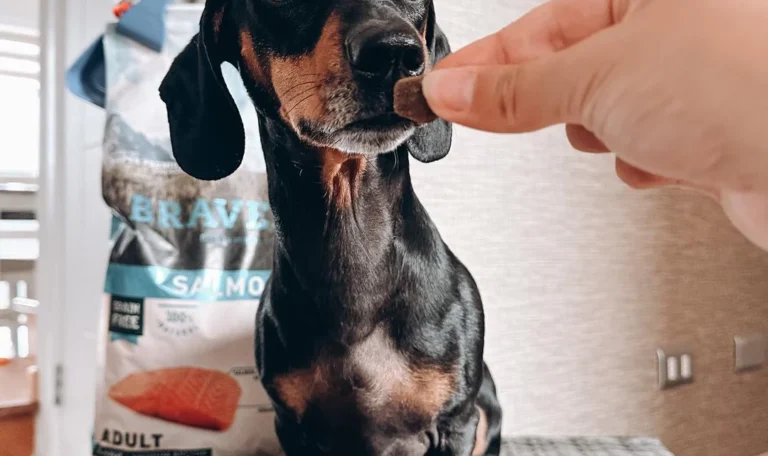
Thinking of getting a dachshund? Do you have young children and want to know more about the breed? Wondering how a dachshund might behave around family, friends, or visitors? In this guide, we’ll answer all your questions about dachshund temperament to help you decide if this lovable little dog is the right fit for your home.

Are dachshunds friendly?

Yes, most dachshunds are friendly—especially once they feel comfortable in their environment. They are affectionate, loyal dogs with a sweet and gentle nature, provided they’re properly socialised and trained from an early age. Like many breeds, they can be cautious around unfamiliar people, but this can be managed with patience, consistency, and positive introductions.

Read on to discover whether dachshunds can be prone to aggression, whether they’re likely to bite, how to address any unwanted behaviours, and how to ensure your dachshund feels calm, secure, and well-behaved around children, guests, and new experiences.
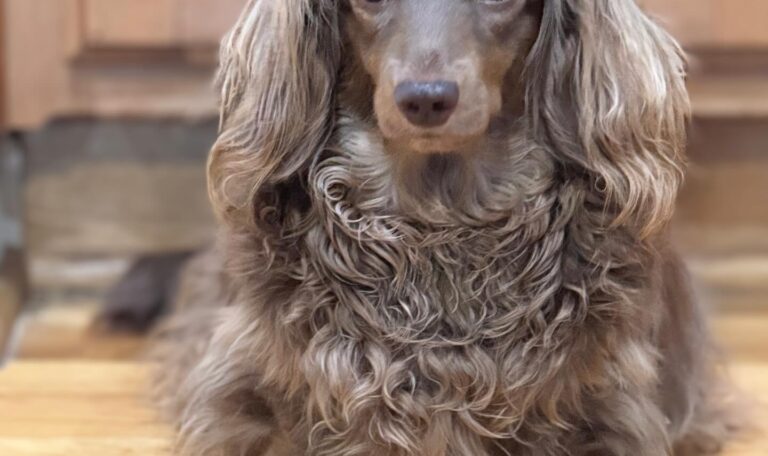
Are Dachshunds Friendly
Table of Contents

What temperament do dachshunds have?

Can dachshunds be aggressive?
Do dachshunds bite?
Are dachshunds good family pets?
How do you discipline a dachshund?
What do I do if my dachshund bites?

Note: Research and my own experience as a Dachshund owner of over ten years served as the foundation for this post. I’m not a certified dog behaviorist or veterinarian.

What temperament do dachshunds have?

Dachshunds are generally very friendly once they become familiar with someone.
They are affectionate, gentle dogs that typically get along well with people and children, provided they’ve been properly socialized and trained from an early age. However, dachshunds that have not had adequate socialization or training may exhibit behaviors such as barking or growling, particularly if they feel frightened or anxious in unfamiliar situations.

Are Dachshunds Friendly

Dachshunds often form a particularly strong bond with one person, showering them with affection and offering fierce loyalty and protection. Even if you’re not their “chosen” person, as long as you’re part of their family unit, they’ll generally be affectionate, playful, and happy to engage with you. Dachshunds are known for their loyalty and protective nature, and with proper handling, they’re typically very good with children—especially when treated gently and respectfully.

By nature, dachshunds are bold, independent, and strong-willed dogs who like to feel in control. If your dachshund displays signs of aggression or possessiveness toward others in the household, it may stem from jealousy or over-attachment to their favourite person. In such cases, it’s important to reinforce boundaries through consistent training, making it clear that you are the one in charge—not your dachshund.

Dachshunds can also be quite territorial and are often wary of unfamiliar people or situations. They’re known for their tendency to bark at anything that seems unusual or new. Early socialisation is key to helping your dachshund feel more confident and relaxed. Introducing them to a variety of people, environments, and other dogs will reduce anxiety and excessive barking, making for a calmer, more adaptable companion.

Can dachshunds be aggressive?

Yes, dachshunds can display signs of aggression, but with proper training and early socialisation, this behaviour can typically be prevented or managed. It’s important to establish clear boundaries and ensure your dachshund understands that you are the leader. Helping your dog feel safe and confident around new people and environments will reduce fear-based behaviours such as barking, growling, or snapping. With consistent guidance, most dachshunds become well-mannered, friendly companions.

Are Dachshunds Friendly

Dachshunds tend to be more cautious around strangers than some other breeds, but this doesn’t necessarily mean they’ll bark or react negatively to everyone they meet. With proper training and early socialisation, your dachshund should be able to walk calmly past people in public and welcome visitors into your home without issue.

To ensure a smooth introduction, it’s helpful to make new encounters as relaxed as possible. Have your guests sit at your dachshund’s level and allow him to approach them in his own time. If he seems comfortable, encourage your guest to gently stroke his back or belly. Once reassured, most dachshunds will warm up quickly and may even initiate play.

If your dachshund barks or growls at people, it’s important to focus on improving his socialisation skills. Consider asking friends or family members to visit regularly so he can become more comfortable around unfamiliar faces in a safe and familiar environment. Gradual, positive exposure is key to reducing fear and reactivity.

Once he’s more confident at home, try taking him on short walks where he’s likely to encounter other people. When someone approaches, gently redirect his attention to you using a treat or toy. If he remains calm and doesn’t react, reward him with praise, a treat, or a gentle fuss. Over time, he’ll begin to associate strangers with positive experiences and should learn to walk calmly by your side without reacting.

Do dachshunds bite?

Yes, like all dog breeds, dachshunds can bite—but this largely depends on their training, socialisation, and individual temperament. While some studies have suggested that dachshunds may be more prone to snapping than other breeds, many owners report that their dachshunds have never bitten or shown aggressive behaviour.

In general, dachshunds are affectionate, loyal, and gentle companions. Biting or nipping is typically a response to fear, anxiety, or feeling threatened or territorial. These behaviours are rarely unprovoked and can usually be addressed with consistent training, early socialisation, and a calm, structured environment. Understanding the cause behind the behaviour is key to managing and preventing it.

Are Dachshunds Friendly

If your dachshund is showing signs of excessive aggression, it may be the result of a negative experience or lack of proper socialisation, which has made him overly cautious or defensive. In such cases, it’s advisable to consult your veterinarian. They may recommend working with a qualified dog behaviourist to help manage and correct the behaviour through tailored training.

Dachshund puppies often nip or play-bite as part of their natural development, particularly during teething. While this behaviour is typically playful and not intended to cause harm, their sharp puppy teeth can be painful. It’s important to address this early on to prevent it from becoming a habit in adulthood.

Avoid overreacting, as raising your voice or sudden movements can be misinterpreted as play. Instead, calmly stop interaction by saying a firm “Ow!” or simply withdrawing attention. This teaches your puppy that biting ends the fun. It’s also beneficial to introduce the “gently” command early, encouraging your dachshund to play softly and take food carefully from your hand.

With consistency and patience, your dachshund will learn appropriate behaviour and develop into a well-mannered companion.


Are dachshunds good family pets?

Yes, dachshunds can make excellent family pets. As natural pack animals, they thrive on companionship and enjoy being around people. When properly socialised and trained, they tend to get along well with children—particularly when children are taught to interact with them gently and respectfully.

Dachshunds are intelligent, loyal, affectionate, and often have a playful sense of humour. With their charming personalities and strong bonds with family members, they can be wonderful companions in the right household environment.

Are Dachshunds Friendly

How do you discipline a dachshund?

Never shout at, intimidate, or physically punish your dachshund for unwanted behaviour. These responses can damage your bond and increase anxiety or fear. If your dachshund nips, respond with a firm “Ow!” to signal that the behaviour is unacceptable, then calmly disengage or remove him from the situation. A short time-out in his crate—no more than 30 seconds—is often enough to interrupt the behaviour.

Many behavioural issues stem from a dachshund believing he’s in charge. If he nips to avoid doing something, or snaps out of jealousy when you give attention to someone else, it’s often because he sees himself as the leader of the household.

To correct this, it’s important to consistently reinforce your role—and your family’s role—as leaders. When your dachshund exhibits unwanted behaviour, avoid reacting emotionally. Instead, withhold attention and wait for him to calm down. At the same time, actively reward good behaviour with praise, treats, or affection.

Involve all family members in his training, so he learns to respect everyone equally. With consistent, positive reinforcement, he’ll begin to understand acceptable behaviours and where he fits within the family dynamic.

What do I do if my dachshund bites?

If your dachshund displays biting behaviour beyond typical playful nipping, it’s essential to separate him from young children immediately and seek professional guidance. Consult your veterinarian to rule out any underlying medical issues and consider working with a qualified dog behaviorist to identify and address the root cause of the aggression. Early intervention and consistent training are key to managing the behavior effectively and ensuring a safe environment for both your dog and your family.

Are Dachshunds Friendly

In summary, dachshunds are typically friendly, affectionate, and gentle companions once they’ve had time to bond with you. Most adapt well to family life and thrive in a loving home environment. However, without proper training and socialisation, they can display signs of possessiveness or occasional aggression—especially if they become overly attached to one person. Consistent training, early socialisation, and clear boundaries are essential to shaping a well-mannered and confident dog. With the right guidance, your dachshund will become a loyal, delightful member of the family.

How big do dachshunds get

How big do dachshunds get

Are you wondering how much bigger your dachshund is going to get—or if they’re still growing or potentially overweight? You’re not alone. These are common questions for dachshund owners, especially during the first year of puppyhood. This guide will help you understand your dachshund’s growth timeline and what to expect as they mature.

At What Age Is a Dachshund Fully Grown?

A dachshund’s skeletal growth typically completes around 12 months of age, but their body will continue to fill out until they’re around 18 months to 2 years old. During this period, it’s important to monitor their weight to ensure they’re developing healthily and not becoming overweight.


Whether your dachshund puppy is growing rapidly or you’re concerned about their size or weight, we’ll break down the growth stages, ideal size ranges, and tips to ensure your pup stays on track. Read on to learn more about when dachshunds stop growing, how big they should be, and how to support them through each stage of development.

Table of Contents

How do I know when my dachshund is fully grown?
What age do dachshunds stop growing?
What size is a miniature dachshund?
What size is a standard dachshund?
What is a tweenie dachshund?
What is a rabbit dachshund?

Note: Research and my own experience as a Dachshund owner of over ten years served as the foundation for this post. I’m not a certified dog behaviorist or veterinarian.

How do I know when my dachshund is fully grown?

There’s no exact age at which every dachshund is considered fully grown, but generally, their skeletal frame will reach full maturity by around 12 months of age. However, they may continue to fill out and gain muscle or body weight until they are approximately 18 to 24 months old.

How big do dachshunds get

According to the American Kennel Club (AKC) Breed Standard, the ideal size for adult dachshunds is based on their measurements at 12 months of age. This suggests that the AKC considers dachshunds to have reached their full adult size by this point. This aligns with veterinary guidance, as a dachshund’s skeletal structure is typically fully developed by one year of age. After 12 months, they should no longer grow taller or longer.

Like humans, dachshunds progress through distinct life stages—puppyhood, adolescence, adulthood, and their senior years. It’s not uncommon for a dachshund to retain a youthful appearance or playful behavior well into adulthood, even though they’ve physically matured.

While your dachshund’s overall frame won’t change after the first year, fluctuations in weight are normal over time. For this reason, it’s important to understand what your dachshund’s ideal adult size should be, so you can recognize and address any potential weight-related health concerns.

What age do dachshunds stop growing

A dachshund’s skeletal development is typically complete by 12 months of age, although they may continue to fill out and develop muscle tone well into their second year.

Due to being selectively bred with the chondrodysplasia gene—a form of dwarfism that gives dachshunds their distinctive short legs—their limb development can take slightly longer than in other breeds. This genetic trait contributes to their unique body structure and should be considered when assessing their overall growth and development.

How big do dachshunds get

Once born, dachshund puppies experience a period of rapid growth during the first 8 months of life. During this time, the long bones in their legs lengthen, supported by the growth plates located at the ends of the bones. These growth plates remain active until they close between 10 and 12 months of age, marking the end of skeletal development.

After the growth plates close, your dachshund may continue to gain weight and fill out until approximately 18 to 24 months of age. The exact timeline can vary depending on the individual dog.

It’s important to monitor your dachshund’s weight during this stage, as their metabolism begins to slow and the risk of excess weight gain increases. Carrying too much weight can place strain on their short legs and increase the risk of back issues, particularly in a breed predisposed to spinal problems like Intervertebral Disc Disease (IVDD).

To maintain a healthy weight, ensure your dachshund receives a balanced diet, appropriate portion sizes, and regular exercise. A simple way to check their condition is to feel for their ribs and observe their waistline—you should be able to feel their ribs without pressing hard and see a clear tuck at the waist.

What size is a miniature dachshund?

A miniature dachshund typically stands between 13–18 cm (5–7 inches) tall at the withers and should weigh no more than 11 pounds (5 kg) when fully grown. By 12 months of age, most miniature dachshunds weigh around 10 pounds (4.5 kg) and have an average chest circumference of approximately 35.5 cm (14 inches), which aligns with breed standards.

How big do dachshunds get

Miniature dachshunds are significantly smaller than their standard counterparts—typically around half the size and weight. If you’re unsure whether your puppy is a miniature or standard dachshund, their size will become more apparent as they approach 12 months of age, when they are closer to their adult proportions.

If your puppy was purchased from a reputable or registered breeder, this information should be clearly stated in the documentation or pedigree paperwork provided at the time of sale.

What size is a standard dachshund?

A standard dachshund typically stands between 20–22 cm (8–9 inches) tall at the withers and weighs between 16 and 32 pounds (7–14 kg). By the time they reach 12 months of age, most standard dachshunds weigh approximately 20–26 pounds (9–11.5 kg). The average chest circumference for a standard dachshund is around 35.5 cm (14 inches), though this can vary slightly based on individual build.

How big do dachshunds get

A standard dachshund is approximately twice the size of a miniature dachshund, though still considered a small breed when compared to most dogs. If your dachshund weighs more than the typical range for their size, it’s important to monitor their weight carefully to avoid health complications. Excess weight can place unnecessary strain on their spine and joints, increasing the risk of conditions such as Intervertebral Disc Disease (IVDD).

That said, these figures represent breed standards, and in reality, dachshunds come in a variety of shapes and sizes. A practical way to assess your dog’s condition is through a visual and physical check:

  • Look for fat rolls or bulges around the withers (the area between the shoulder blades).

  • From above, there should be a visible waistline with some definition near the hips.

  • When you run your hands along the ribcage, you should be able to feel the ribs without pressing hard. If you can’t feel them at all, your dachshund is likely overweight.

What is a tweenie dachshund?

A ‘tweenie’ dachshund refers to a dachshund that falls between the miniature and standard size classifications. These dogs are not quite small enough to meet the miniature standard, yet not large enough to be considered standard.

If your dachshund weighs between 11 and 16 pounds (5–7 kg), they are generally considered a ‘tweenie.’ While this category is not officially recognized by major kennel clubs, it is commonly used by owners and breeders to describe dachshunds that fall between the two standard sizes.

While this size is not officially recognized by breed standards, it is widely appreciated by owners for offering a balanced combination of the compactness of a miniature and the sturdiness of a standard dachshund.

What is a rabbit dachshund?

The rabbit dachshund (or kaninchen dachshund) was originally bred in Europe for hunting smaller prey, such as rabbits—unlike standard dachshunds, which were developed to hunt badgers. These dogs are exceptionally small, typically weighing under 8 pounds (just over 3.5 kg) and measuring no more than 30.5 cm (12 inches) in chest circumference as adults.

While the rabbit dachshund is recognized by the FĂ©dĂ©ration Cynologique Internationale (FCI), it is not officially recognized by the UK Kennel Club or the American Kennel Club (AKC). This variety is sometimes referred to as a “toy” or “teacup” dachshund, although those terms are unofficial and can be misleading.

Due to the limited and often unreliable information available about rabbit dachshunds, prospective owners are advised to exercise caution. If you come across one for sale—especially without verifiable health records or proper registration—it’s best to be wary. For predictability in size, health, and temperament, it’s generally recommended to choose from the recognized miniature or standard sizes.

Now that you understand how long it takes for a dachshund puppy’s bones to fully develop—and what to expect in terms of adult size—you should have a clearer idea of how big your dachshund will be once fully grown. Of course, every dachshund is unique, and regardless of their final shape or size, they’re perfect just the way they are.

How To Crate Train a Dachshund Puppy

How To Crate Train a Dachshund Puppy

How To Crate Train a Dachshund Puppy! Have you recently welcomed a dachshund puppy into your home? Are you considering crate training but unsure where to begin? Or perhaps you’ve already purchased a crate and need guidance on how to use it effectively. If you’re seeking answers on how to properly crate train your dachshund puppy, this guide is here to help.

How to Crate Train a Dachshund Puppy

  • Choose an appropriately sized crate

  • Position the crate in your bedroom

  • Add a soft, comfortable cushion as a base

  • Drape a blanket over the top and three sides to create a den-like atmosphere

  • Place an item with your scent inside for comfort

  • Always remove your puppy’s collar before crating

  • Use treats to encourage your dachshund to enter the crate voluntarily

  • Begin with short periods of crating and gradually increase duration

  • Avoid placing food or water in the crate overnight

  • Ensure your puppy relieves itself before bedtime

  • Use calm, soothing words to help settle your puppy at night

  • Never leave your dachshund crated for extended periods

In this article, you’ll learn why crate training can be beneficial, how to choose the right size crate, how to set it up, what to include inside, how to introduce your puppy to it, how to handle whining or crying, and what to expect during the first few nights.

How To Crate Train a Dachshund Puppy

Table of Contents

Why use a crate for your dachshund puppy?
Should you buy a wire or plastic dog crate for a dachshund puppy?
What is the best crate size for a dachshund puppy?
How do you set up a crate for a dachshund puppy?
Where do you set up a crate for a dachshund puppy?
Should I put food in the crate with my dachshund puppy?
Should I put water in the crate with my dachshund puppy?
Should you put dog toys in a dachshund’s crate?
Do you remove a dachshund’s collar when in the crate?
How do you introduce a dachshund puppy to a crate
How do you use a crate in the day?
How do you use a crate in the evening?
What should you expect for the first few nights of crate training?
What do you do if your dachshund puppy cries in the crate?
What do you do if your dachshund puppy pees in the crate?
How long can you leave a dachshund in a crate?
Is crate training a dachshund cruel?
Is it hard to crate train a dachshund puppy?
Can you crate train an older dachshund?
How much is a dog crate for a dachshund?
How long does it take to crate train a dachshund puppy?
What is the next step?
What do I do next?

Note: Research and my own experience as a Dachshund owner of over ten years served as the foundation for this post. I’m not a certified dog behaviorist or veterinarian.

Why use a crate for your dachshund puppy?

Crates are highly effective tools for potty training, offering a structured and manageable approach for new puppy owners. Their success lies in a dog’s natural instinct to keep their sleeping area clean. Dachshunds, like most dogs, are generally reluctant to eliminate where they eat and sleep, making the crate a useful aid in establishing good bathroom habits.

How To Crate Train a Dachshund Puppy

1. Crates Keep Your Dachshund Safe and Secure
Crates provide a safe and secure environment for your dachshund, especially overnight or when you’re unable to supervise directly. Whether you’re stepping out of the room to use the bathroom or answering the door, a crate ensures your puppy is contained and out of harm’s way. Allowing a dachshund to roam freely when unattended can lead to destructive behaviors such as chewing electrical cords or damaging furniture—common mischief for curious pups left unsupervised.

While alternatives like playpens or baby gates can help limit your dachshund’s access to certain areas, they’re not as effective for potty training. These larger spaces don’t activate a dog’s natural instinct to keep their sleeping area clean. In a larger area, your dachshund may eliminate at one end and play at the other, which undermines the effectiveness of house training. While confined spaces are still useful for daytime supervision, crates remain the best choice for nighttime or when you need to leave the room.

2. Crates Are Practical When Traveling
Crates are incredibly convenient for travel. Bringing your dachshund’s crate along when visiting friends, staying in hotels, or going on holiday gives your dog a familiar and comforting place to sleep. Much like humans prefer their own beds, dogs feel more relaxed and secure in familiar surroundings—especially in new or unfamiliar environments.

3. Crates Are Valuable for Vet Visits and Emergencies
Crate training can also be beneficial in medical situations. Dachshunds are particularly prone to Intervertebral Disc Disease (IVDD), with approximately 1 in 4 affected. If your dachshund experiences an episode, the first stage of treatment often involves strict crate rest. A dog that is already crate trained will likely handle this period with less stress and anxiety.
Additionally, if your dog ever needs to stay at the vet’s office in a crate or kennel, being accustomed to a crate environment can help ease the experience and reduce distress.

4. Crates Provide a Designated Rest Area
In busy households—especially those with young children—a crate can serve as a quiet, safe space for your dachshund to rest and recharge. Puppies require plenty of sleep and should not be overstimulated or overexercised. Establishing a household rule that the crate is a no-interruption zone when the puppy is sleeping can help everyone respect your dog’s need for downtime.

How To Crate Train a Dachshund Puppy

Crates Provide a Cozy, Secure Den
Dachshunds can be sensitive dogs, and some are prone to anxiety—particularly in unfamiliar or overstimulating environments. A well-designed crate serves as a comfortable and secure den where your dachshund can retreat when feeling overwhelmed. Whether you’re hosting guests, there’s a lot of noise in the home, or your dog simply needs a quiet space to relax, the crate offers a safe haven where he can feel calm and undisturbed.

Crates Encourage Independence
As a breed, dachshunds are known for their deep loyalty and strong bond with their owners. While this affectionate nature is part of their charm, it can sometimes lead to separation anxiety. Crate training helps your dachshund develop a sense of independence by providing a dedicated, calming space he can call his own. It reinforces the idea that he doesn’t need to be by your side at all times to feel secure, and this often results in a more well-adjusted and confident dog.

Long-Term Use of Crates
Crates are a practical training tool during puppyhood, particularly for house training and establishing routines. As your dachshund matures and becomes fully house trained, the need for crating may decrease. In most cases, adult dachshunds do not require regular crating unless for health-related reasons or specific situations. However, many dogs grow to enjoy their crates and continue to use them as a place to rest or nap. Simply leave the crate door open and allow your dachshund to use it at his discretion—once trained, most dachshunds are perfectly content and trustworthy around the home.

Should you buy a wire or plastic dog crate for a dachshund puppy?

Wire Crates: A Practical and Versatile Option
Wire crates are a practical and durable choice for dachshund owners. They offer excellent ventilation and visibility, allowing your dog to remain aware of their surroundings, which can be particularly reassuring for an alert breed like the dachshund. These crates are also easy to maintain—the removable bottom tray makes cleaning up accidents simple and efficient. Additionally, wire crates fold flat for convenient storage or transport, making them ideal for travel or space-saving at home. When covered with a blanket or a custom-fit fabric cover, the crate transforms into a cozy, den-like space that provides both comfort and security for your dachshund.

What is the best crate size for a dachshund puppy?

Choosing the Right Crate Size for Your Dachshund

Recommended Crate Sizes
As a general guideline, a 24-inch crate is typically suitable for a miniature dachshund, while a 30-inch crate is ideal for a standard dachshund. The crate should be large enough for your dog to stand, sit, lie down, and turn around comfortably. However, it should not be so spacious that your puppy can eliminate at one end and sleep at the other, as this can undermine house training efforts.

Select a Crate Based on Adult Size
When purchasing a crate, choose one that accommodates the size of a fully grown dachshund. If your puppy is still very small, you can place a soft, high-sided dog bed inside to reduce the internal space and create a more secure, comforting environment. Some crates also include adjustable dividers, allowing you to gradually increase the space as your puppy grows.

Adapt the Size to Your Individual Dog
Dachshunds vary in size and proportions, especially if your dog is larger than average or a dachshund mix. Be sure to adjust the recommended crate size accordingly to suit your individual dog’s needs. If your dachshund outgrows the crate, replace it—never confine your dog to a space that is too small or restrictive. Your dachshund should always be able to move freely and feel comfortable inside.

Consider Transport and Vehicle Fit
If you plan to use the crate for car travel, be sure to check the crate’s dimensions against your vehicle’s interior space. Measure the height, width, and depth to ensure a proper fit. In some cases, especially with smaller vehicles, you may need to invest in two crates: a compact one for travel and a larger one for home use.

How do you set up a crate for a dachshund puppy?

Begin by creating a warm, inviting space inside the crate. Place a soft cushion or padded base on the floor of the crate and layer it with cozy blankets to ensure comfort. To create a den-like atmosphere, drape a blanket over the back and sides of the crate, leaving the front open so your dachshund can see out and feel secure. Alternatively, consider using a fitted fabric crate cover designed specifically for pet crates to achieve a more tailored look.

If you live in a warmer climate, opt for lightweight, breathable materials rather than thick or heavy blankets to avoid overheating. For convenience, choose items that are machine washable to make regular cleaning quick and hassle-free.

How To Crate Train a Dachshund Puppy

Add a Familiar Scent
To help your dachshund feel secure, place an item inside the crate that carries a familiar scent. A recently worn (but unwashed) t-shirt of yours can provide comfort, as can a blanket or toy from the breeder that still carries the scent of the puppy’s mother or littermates. These familiar smells can ease nighttime anxiety and encourage restful sleep.

Important Safety Note
Keep in mind that puppies are prone to chewing. Avoid leaving your dachshund unsupervised in the crate with any items that could be easily torn apart or ingested. Use your judgment to ensure everything placed inside the crate is safe and non-toxic.

Use a Dog Bed for Small Puppies
If the crate feels too large for a young puppy, place a small, supportive dog bed inside—ideally one with soft, rounded sides to create a cozy nest-like feel. As your dachshund grows, you can replace the bed with a soft crate mat or cushion that covers the entire base.

Try a Heartbeat Toy for Comfort
Consider placing a heartbeat toy, such as a “Heartbeat Sheep,” inside the crate. These soft toys contain a small device that emits a gentle pulsing vibration, simulating the heartbeat of the puppy’s mother. This can provide emotional reassurance and help ease separation anxiety. A traditional ticking clock placed near the crate can have a similar calming effect.

Use a Heated Puppy Pad
A microwaveable puppy heat pad can replicate the warmth of the mother and littermates, helping your dachshund feel safe and comforted. Look for models with fleece covers and extended warmth (up to 10 hours), especially useful during the first few nights in a new environment.

Leave a Night Light On
Moving to a new home can be overwhelming for a young puppy. To reduce stress during the night, leave a dim night light or hallway light on so your puppy isn’t left in total darkness. Being able to see their surroundings—or you—can be very reassuring.

Monitor with a Pet Camera
If possible, install a pet camera to check in on your dachshund while you’re away. This can provide peace of mind and allow you to monitor your puppy’s behavior. Devices like the Furbo even let you talk to your dog remotely and dispense treats, which can be especially helpful during early training and bonding.

Where do you set up a crate for a dachshund puppy?

Start with the Crate in Your Bedroom
If space allows, it’s best to position the crate in your bedroom during the first few weeks. This helps your new puppy feel safe and reassured by your presence as they adjust to their new environment. Once your dachshund is more settled, you can gradually move the crate to its permanent location.

Consider Setting Up Two Crates
Although crates are portable, having two separate setups—one for day use and one for nighttime—can be more convenient. Ideally, place the daytime crate in a communal area such as the kitchen or living room, where your puppy can be near the family and feel part of daily life. A crate positioned where people regularly spend time helps reduce feelings of isolation and promotes bonding.

Choose a Safe and Comfortable Location
Be mindful of the crate’s immediate surroundings. Avoid placing it in direct sunlight or in areas that are too cold or drafty. Aim for a stable room temperature and ensure the area around the crate is free of hazards such as electrical cords or small objects your dachshund could pull inside and chew. Creating a calm, secure, and hazard-free environment will help your puppy feel relaxed and safe in their new den.

Should I put food in the crate with my dachshund puppy?

It’s not recommended to leave food in your dachshund’s crate. Dachshunds are typically enthusiastic eaters and are unlikely to leave food uneaten—it will usually be consumed within moments. Instead, it’s best to establish consistent mealtimes to support healthy digestion and routine.

If you’re away during feeding times, arrange for someone to come in and feed your dachshund. Puppies generally require 3 to 4 meals per day to support their rapid growth and energy needs, while adult dachshunds typically do well on two meals per day.

Structured feeding not only supports your dog’s health but also reinforces positive behavior and helps with training and housebreaking.

Should I put water in the crate with my dachshund puppy?

Water Access While Crated
If you’re at home and the crate door is open, it’s perfectly fine to place a water bowl just outside the crate. However, if your dachshund is crated for any length of time with the door closed, it’s important to ensure water is accessible. In these cases, use a clip-on water bowl or bottle that securely attaches to the side of the crate—this prevents spills and ensures your dog stays hydrated.

Avoid Extended Crating Without Water
Dogs need regular access to water throughout the day. If your dachshund will be crated for more than a brief period—such as when you’re out of the house or overnight—it’s essential to either provide water or arrange for someone to check in. Puppies, in particular, require frequent potty breaks and should not be left crated for long stretches without access to water or relief.

No Water in the Crate Overnight During Potty Training
When using the crate for house training, it’s best not to leave water in the crate overnight. Dachshund puppies have small bladders and limited control, so limiting water before bedtime can help reduce nighttime accidents and support successful potty training.

Consider Medical Needs
In some cases, your dachshund may require constant access to water. Medical conditions such as diabetes, Cushing’s disease, or the side effects of certain medications can increase thirst. Always consult your veterinarian and adapt your approach based on your dog’s individual health needs.

Should you put dog toys in a dachshund’s crate?

Yes and no. Toys can be a great source of comfort and mental stimulation for your dachshund, but they also present potential safety risks—particularly when unsupervised. Many plush toys can be quickly destroyed, with stuffing, squeakers, or small parts (like ears or tails) posing choking or ingestion hazards.

If you’re present and able to supervise, soft toys are generally fine. However, if you’re leaving your dachshund alone in the crate, it’s best to opt for a more durable option, such as a KONG or another heavy-duty chew toy designed specifically for safe solo play. While no toy is truly indestructible, these types of toys are typically safer choices for unsupervised periods.

Dachshunds absolutely need toys to stay mentally and physically engaged, but it’s important to use your judgment and consider your dog’s age, chewing habits, and behavior. Safety should always come first—particularly with young puppies.

Do you remove a dachshund’s collar when in the crate?

Yes, for safety reasons, it’s strongly recommended to remove your dachshund’s collar before placing them in the crate. Collars can easily become caught on the crate bars or other parts of the structure, posing a serious risk of injury or strangulation.

Given how simple collars are to remove and put back on, it’s best to err on the side of caution and take them off whenever your dachshund is crated—especially if they will be left unsupervised.

How do you introduce a dachshund puppy to a crate

Allow Time for Exploration
Begin by letting your puppy explore the crate at his own pace. On the first day, keep the door open and avoid closing it immediately. A helpful technique is to place your puppy’s food inside the crate while keeping him outside. Wait a few minutes before opening the door—this builds anticipation and helps your puppy associate the crate with positive experiences and rewards.

Create Positive Associations
The goal is to make the crate a welcoming and enjoyable space—not a place of confinement or punishment. Keep the door open during mealtimes initially, and allow your puppy to come and go freely. Use toys and treats to reinforce positive behavior. For example, place a favorite toy or treat inside the crate and wait a few moments before opening the door, turning it into a rewarding game.

Through consistent positive reinforcement, your dachshund will begin to see the crate as a safe, rewarding environment.

Take a Gradual Approach
If your dachshund seems hesitant to enter the crate, introduce it slowly and positively. Start by placing food or treats just outside the entrance, gradually moving them further inside as your puppy gains confidence. You can also hide small treats under blankets inside the crate to encourage natural exploration and sniffing behavior. This gentle approach helps your puppy become more comfortable with the space over time.

Begin Closing the Door Briefly
Once your puppy is entering and exiting the crate freely, you can begin to close the door for short periods. Start with just a couple of minutes, remaining in the room and behaving as you normally would. It’s important to act calm and relaxed—if you appear anxious, your puppy will sense it. Some initial whining or fussing is normal, but avoid reacting emotionally. Quiet consistency helps build trust.

Offer Positive Reinforcement
As your dachshund becomes more comfortable, be sure to offer praise and encouragement each time he voluntarily enters the crate. Reinforcing this behavior with calm, positive reinforcement helps him understand that the crate is a safe, secure place. Over time, this will make settling at night and handling periods of separation much easier.

How do you use a crate in the day?

Supervised Time Outside the Crate
You don’t need to crate your puppy during the day as long as you’re home, attentive, and actively watching for signs that he needs to go to the toilet. The primary purpose of the crate is to prevent accidents when your puppy can’t be supervised and to provide a safe space for rest, particularly overnight.

If you’re home, it’s beneficial to leave the crate door open and allow your dachshund to explore it freely. If he chooses to rest, nap, or play inside, that’s ideal. The more relaxed and comfortable your puppy becomes around the crate, the easier the overall training process will be.

Encourage Rest in the Crate
When your puppy starts to look tired, gently guide him into the crate. If he falls asleep, you can close the door quietly. Once he wakes up, take him straight outside for a toilet break. The goal is to create a positive association where your puppy willingly enters the crate to rest and isn’t concerned when the door is closed.

Using the Crate for Potty Training
The crate can also support house training. Place your puppy in the crate and take him outside for a toilet break every 20 minutes. If he eliminates, praise him warmly and reward with a treat. If he doesn’t, bring him back inside and return him to the crate. Repeat the process every 20 minutes until he begins to understand the routine. Consistency and positive reinforcement are key.

Planning Around Work Commitments
If you work full-time, it’s advisable to take a few weeks off when bringing your puppy home. This time allows you to establish a routine, build trust, and lay the foundations for successful training. If taking time off isn’t possible, arrange for a friend, family member, or pet sitter to visit throughout the day to provide companionship, toilet breaks, and supervision. With a bit of support, you can create a manageable and positive transition for both you and your dachshund.

How do you use a crate in the evening?

It’s completely natural to want to cuddle and hold your new puppy, especially during those early days. However, constant physical contact—particularly in the evenings—can unintentionally make crate training more challenging.

If your puppy becomes accustomed to falling asleep on your lap or being held for long periods, transitioning to sleeping alone in the crate may feel unsettling or even distressing. To support successful crate training, it’s important to create a balance: offer plenty of affection during the day, but also encourage your puppy to rest independently in the crate. This helps your puppy develop healthy sleeping habits and builds confidence in being alone.

Cuddle time with your new puppy is one of the most rewarding parts of bringing them home. However, during the early stages of crate training, it’s helpful to be mindful of how and when you offer physical comfort.

Instead of letting your puppy fall asleep in your arms or on your lap, gently place them in their crate when they begin to get sleepy. You don’t need to close the door—simply cover the crate with a light blanket to create a cozy, den-like atmosphere. This teaches your puppy that the crate is their designated sleeping space. By establishing this routine early, the transition to night-time crating becomes much smoother, as the only change will be closing the crate door.

This approach may feel challenging at first, but it’s only temporary. Once your dachshund is reliably crate and potty trained, you can relax the structure and enjoy all the cuddles you like—whether that’s on the sofa or wherever you’re most comfortable.

That said, every owner is different. Some prefer to keep their dachshund close at all times, and that’s perfectly fine too. Crate training can still be successful with this approach, though you may experience a bit more resistance at bedtime if your puppy has spent the evening napping on your lap.

Ultimately, it’s about finding a routine that works for you and your dachshund while still setting the foundation for healthy habits and independence.

What should you expect for the first few nights of crate training?

It’s completely normal for your dachshund puppy to cry in the crate during the first few nights. This is a new environment, and it will take time for your puppy to feel completely secure.

First, ensure your puppy has had enough toilet breaks before bedtime. If you’re confident he doesn’t need to go out, gently reassure him with a calm, consistent phrase such as “Settle down.” Speak in a soft, soothing voice and repeat the same words each time. When he stops crying, even briefly, calmly say “Good boy” to reinforce the quiet behavior.

It may take several nights for your puppy to fully adjust, but with patience, consistency, and a clear routine, he will begin to feel safe and comfortable sleeping in his crate.

What do you do if your dachshund puppy cries in the crate?

As difficult as it may be, it’s important not to immediately respond to your dachshund’s cries by letting him out of the crate—unless there is a genuine need, such as a toilet break. Reacting too quickly can inadvertently teach your puppy that crying or barking is an effective way to gain attention or be released from the crate.

Instead, wait for a brief moment of silence before opening the crate door. This helps reinforce calm behavior and encourages your puppy to settle independently. When he is quiet, gently praise him and offer reassurance.

That said, if your puppy is crying persistently, he may genuinely need to relieve himself. Young dachshunds have small bladders and often require toilet breaks during the night. If this is the case, take him outside calmly and quietly, avoiding stimulation, and then return him to the crate immediately afterward.

With consistency and patience, your puppy will begin to understand the routine and learn to sleep peacefully through the night.

What do you do if your dachshund puppy pees in the crate?

If your dachshund urinates or defecates in the crate, remain calm and clean it up promptly. Most crates come with a removable base tray that can be taken out and thoroughly washed. Be sure to use an enzymatic pet-safe cleaner specifically designed to eliminate odors. Standard household cleaners may not fully remove the scent, and any lingering smell can encourage your puppy to eliminate in the same spot again.

Consider the Cause

If accidents happen, it’s important to ask why. Identifying the underlying reason can help prevent it from happening again. Ask yourself the following:

  • Is the crate too large? A crate that’s too spacious may allow your puppy to toilet in one corner and sleep in another.

  • Was your dachshund left alone for too long?

  • Is your puppy too young to hold their bladder through the night?

  • Did your puppy cry to go out but wasn’t heard?

  • Were food and water given too late in the evening?

  • Is the crate placed too far from you, causing anxiety?

  • Are you sure your puppy went to the toilet before bedtime?

  • Could your puppy be unwell?

  • Or was it simply an unavoidable accident?

Stay Calm and Positive

Never punish or shout at your dachshund for having an accident. Puppies are still learning, and any fear-based response can damage trust and make your puppy anxious about toileting in your presence. If you catch your puppy in the act, you can interrupt with a firm but gentle “No” and immediately take them outside to finish.

If you discover the accident after the fact, simply clean it up and observe more closely going forward. Crate training takes time, and setbacks are normal. With consistency, patience, and positive reinforcement, your dachshund will learn the right habits.

How long can you leave a dachshund in a crate?

Dachshund puppies should be crated for no more than 2 hours at a time during the day, spread out across multiple short sessions. Adult dachshunds can typically tolerate being crated for up to 4 hours during the day, if necessary. Overnight crating is also appropriate, though very young puppies may need to be taken out once or twice during the night for toilet breaks.

It’s important to remember that if a dachshund is left crated for too long, they may have no choice but to relieve themselves in the crate. Not only can this delay house training, but once a puppy has soiled the crate, it may be more difficult to discourage the behavior in the future.

Once fully house trained and settled, most adult dachshunds no longer require daytime crating. Some may still enjoy using the crate as a quiet, secure space to rest. In these cases, you can simply leave the crate door open and allow your dachshund to come and go as they please.

Is crate training a dachshund cruel?

No, crate training is not cruel—provided it’s done responsibly and with your puppy’s well-being in mind. Dachshunds are natural denning animals that instinctively seek out small, enclosed spaces where they feel safe and secure. When introduced properly, a crate becomes a comfortable retreat—a cosy, familiar space where your dog can relax.

However, it’s important to understand that a crate should never be used as a form of punishment or as a place to confine your puppy for extended periods. Leaving a puppy crated for long hours while you’re out during the day is not appropriate. Crating is intended for short periods when you’re unable to supervise, such as during brief outings or overnight while your puppy is learning to sleep through the night.

If you work full time, it’s essential to arrange for someone to check in, provide bathroom breaks, and offer companionship. Puppies require regular interaction, exercise, and mental stimulation throughout the day.

That said, crate training is a personal choice. Some owners prefer not to use a crate, and that’s entirely valid too. Every dog and every household is different—what matters most is choosing a training approach that’s safe, positive, and suited to both you and your dachshund.

Is it hard to crate train a dachshund puppy?

Crate training a dachshund puppy is not inherently difficult, but it does require consistency, patience, and a little tough love. Dachshunds are known for their deep loyalty and strong bonds with their owners, which can sometimes lead to initial resistance when being introduced to crate time—especially at night.

With a calm, consistent routine and positive reinforcement, most dachshund puppies settle into crate training relatively quickly. However, it’s important not to give in too early. For example, if you allow your puppy to sleep in your bed during the training phase, it may be very difficult to transition them back to sleeping in the crate later on.

Establishing boundaries early helps build independence and fosters healthy habits that will benefit both you and your puppy in the long term.

Can you crate train an older dachshund?

Yes, it is possible to crate train an older dachshund, although the process may take more time and patience than with a young puppy. Success largely depends on your dachshund’s previous routines—particularly where and how they were used to sleeping before coming into your care.

Older dachshunds can be quite independent and, at times, a little stubborn, so asking them to unlearn established habits may be challenging. The key is to take things slowly, remain patient, and use consistent repetition and positive reinforcement.

If your dachshund adapts well to the crate, that’s fantastic. But if he resists, don’t force the issue. Many adult dachshunds are perfectly content sleeping in a dog bed and do not require crating—especially once they are house-trained and well-adjusted to their environment.

How much is a dog crate for a dachshund?

The cost of a wire dog crate varies depending on size and location, but as a general guide:

  • A 24-inch wire crate suitable for a miniature dachshund typically costs between ÂŁ20–£25 (approximately $26–$32 USD).

  • A 30-inch wire crate for a standard dachshund is usually priced between ÂŁ30–£35 (around $39–$45 USD).

Prices may vary based on brand, features, and where you live, so it’s always worth comparing options both online and in-store to find the best value.

How long does it take to crate train a dachshund puppy?

Most puppies adjust to crate training within approximately one week. Some dachshunds may feel comfortable in as little as 48 hours, while others may take a bit longer—it largely depends on the individual dog and the consistency of the training routine.

It’s important to note that crate training and potty training are two separate processes. While your puppy may become comfortable with the crate fairly quickly, potty training typically takes longer and requires additional time, patience, and structured routines.

With consistency, positive reinforcement, and a calm approach, your dachshund will gradually learn both skills successfully.

What is the next step?

Ready to begin potty training? Learn how to effectively use the crate as part of your dachshund’s house training routine by [clicking here].

What Do mini Dachshunds Eat

What Do mini Dachshunds Eat

What Do mini Dachshunds Eat

What Do mini Dachshunds Eat? Do you want to have a dachshund but don’t know what to feed him? Or maybe you would like to alter your dachshund’s diet. We will address your inquiries on the diet of dachshunds.

What do mini dachshunds eat? Dachshunds may consume raw, moist, dry, or homemade food. As long as you purchase the “Complete” versions, all of these choices are OK. Compared to other breeds, little dachshunds require less food. Puppies eat at least three meals a day, whereas adults often eat two.

Are you curious about the ideal diet for dachshunds, how much they should eat, and if your puppy’s feeding schedule will alter as he gets older? Discover what foods dachshunds prefer, how much they require, how frequently they should be fed, and the reason for their constant hunger by reading on!

Table of Contents

Table of contents
1.What do dachshunds eat?
2.What is a BARF diet for dachshunds?
3.How much should a dachshund eat?
4.What treats can dachshunds have?
5.How many times a day should you feed a dachshund?
6.What time should you feed a dachshund?
7.Why are dachshunds always hungry?

Note: Research and my own experience as a Dachshund owner of over ten years served as the foundation for this post. I’m not a certified dog behaviorist or veterinarian.

What Do Mini Dachshunds Eat

Dachshunds consume the following foods:

Dry food
Wet cuisine
Home-cooked meals
BARF diet or raw food

There’s no denying that dachshunds like food! Almost everything you feed them will be eaten by them. However, it’s critical that they get the proper nutrients in their diet to maintain their health and well-being.

The many foods you might give your dachshund are as follows:

Dry food
As long as you select the “Complete” option rather than the “Complementary” meal, this is totally OK. It is available as pellets or kibble. Dry food is healthy for your dachshund’s teeth (just don’t wet it down), it’s inexpensive, you can buy it in bulk, and it keeps for decades.

What Do mini Dachshunds Eat

Wet cuisine
Once more, as long as the food is “Complete,” wet food is OK. In essence, it provides your dachshund with all the nutrients he requires without requiring you to give him more food. Because wet food often has large pieces of juicy meat and is smothered in gravy, dachshunds like it!

Home-cooked meals
If you’d like, you can cook your dachshund’s meals yourself. Just make sure that every meal satisfies the nutritional value you know he needs.

Generally speaking, aim to select meals that are natural and free of artificial additives, chemicals, etc. Additionally, because dachshunds might be sensitive, avoid diets that include a lot of grains, such as wheat or soy.

Off-the-shelf natural food
You can get some excellent natural food alternatives off the market. Lily’s Kitchen in the UK makes healthy dog food using fresh, healthy ingredients, albeit being a bit pricy.

Their recipes contain no nastiness at all and call for fresh or freshly prepared meat (no meat meal) together with fruit, vegetables, and herbs. In addition, they provide dry alternatives, dental sticks, and nutritious delights. You should absolutely check it out! If you look online, you’ll find a lot more natural solutions like these all throughout the world.

What Do mini Dachshunds Eat

BARF diet, or raw food
The practice of feeding raw food to dachshunds is growing in popularity. In general, dachshunds enjoy eating raw food since it’s healthy for their skin and bodies and because it comes naturally to them.

Although raw food may seem untidy and gory, it’s typically frozen into blocks or nuggets that you can simply place in your dog’s dish to thaw (so you won’t have bloody hands).

What is a BARF diet for dachshunds?

Dachshunds that follow a Biologically Appropriate Raw Food (BARF) diet are eating what their ancestors would have eaten in the wild. It is composed entirely of unprocessed meat, bones, veggies, and fruit.

How much should a dachshund eat?

The following is a general guideline for feeding an active adult dachshund:

WeightCaloriesProtein (calories)Carb (calories)Fats (calories)
4kg24255.5157.330.3
6kg36381.723645.4
8kg484108.9314.660.5
10kg605136.1393.375.6
12kg726163.4471.990.8
14kg847190.6550.6105.9
16kg968217.8629.2121

The amount of food you give a Dachshund depends on their age, size, degree of activity, and the kind of food they are eating. Dachshunds come in a wide variety of shapes and sizes.

A young, active dachshund who enjoys playing and taking walks need more food than an elderly dog that spends all day sleeping on the couch. Additionally, compared to regular dachshunds, small dachshunds require less food. Therefore, carefully review the food’s weight requirements.

Being healthy involves more than just tracking calories, much like human nutrition. Your dachshund needs the proper vitamins, minerals, and nutrition. You can then determine whether the meal you’re providing your dog, whether it’s wet, dry, freshly cooked, or raw, has the proper breakdown of protein, carbohydrates, and fats by following the macros for your dog based on their weight (rather than simply calories).

Additionally, if your dachshund needs to gain or shed a little weight, cut back on calories and macros by 10%. Along with consistent exercise, this is a healthy method of weight control, just like it is for people.

Puppies
A puppy’s food intake will vary as he gets older. His dietary volume will increase from the second to the fifth month. After that, it will drop once more between months six and nine. This is because as he grows, he need more food, and once his adult metabolism takes over, he must return to a regular portion size.

What do dachshunds eat

Elderly
As your dachshund gets older, you could notice that he slows down a little and becomes less able to eat as much. At this stage, you’ll instinctively begin cutting back on his diet to match his activity levels. Simply monitor his weight to ensure that he doesn’t gain or lose excessive weight.

Consult your veterinarian to determine the precise amount of food your dachshund should be fed. The weight of your sausage dog and his ideal weight can be determined by them. You’ll then find it simpler to calculate your daily food intake.

What treats can dachshunds have?
  • Treats in packages
  • Natural, healthful treats
  • Dental chews
  • Dehydrated sweets
  • Toys stuffed with treats

As part of a nutritious, well-balanced diet, you may give your dachshund treats. Because dachshunds are prone to obesity, choose the healthiest foods for them. Here are a few suggestions:

Treats in packages
Seek select sweets free of artificial coloring, flavoring, or preservatives.

Natural, healthful treats
Dachshunds adore bits of broccoli, cucumber, carrots, and watermelon.

Dental chews
In addition to their love of chewing, dachshunds are also healthy for your teeth if you obtain natural ones.

Dehydrated sweets
Dachshunds have a strong preference for foul-smelling fish, such as sprats and dried minnows. They also enjoy liver snacks and air-dried venison sausages, which are both delicious and healthful alternatives.

Toys stuffed with treats
You may offer your dachshund a Kong toy filled with mashed banana or peanut butter (but only peanut butter that doesn’t include palm oil or xylitol). However, not all dachshunds are like this.

How many times a day should you feed a dachshund?

At least three meals a day are recommended for a dachshund puppy. Two meals a day are recommended for an adult dachshund. Depending on their level of activity, senior dachshunds could only require one meal each day. Additionally, you can restrict the number of goodies you provide during the day.

What do dachshunds eat

Puppies
For their nutrition and blood sugar levels to remain consistent, puppies require meals in the morning, midday, and evening. They run the danger of hypoglycemia otherwise. Some even provide an additional supper. It’s preferable to have more meals while they’re young and space out the amount of food throughout the day (small and frequently) if you can achieve it with your schedule.

Adults
The healthiest adult dachshunds are those that have a regular daily food schedule. As long as he receives the recommended quantity each day (two meals), you are free to divide their food anyway you see fit. The majority of people feed their dogs their main meal (let’s say 75% of their daily diet) in the evening and a minor part (25%) in the morning.

Elderly
Your dachshund may not desire two meals a day as he ages since his metabolism will slow down. Thus, you may reduce him to simply one. Keep an eye on his weight and consult a veterinarian if he is truly not eating or if he is losing too much weight.

What time should you feed a dachshund?

Typically, breakfast is served between 7 and 8 a.m., while supper is served between 4 and 5 p.m. It is necessary to include a midday meal for pups at around noon. To allow him to digest his meals and poop before bed, make sure his final meal is at least five hours prior to bedtime.

He will simply munch away if you leave his bowl out all day. You must feed him at the same time every day and control the quantity of food in his bowl.

What do dachshunds eat

Additionally, keep in mind that he will most likely need to use the restroom after eating, so plan his mealtimes to coincide with your own convenience. He will know what to do and when if you establish a pattern, and he will remind you when it’s time!

Why are dachshunds always hungry?

Dachshunds are generally ravenous because to their avarice. However, his diet can potentially be lacking something. Verify with your veterinarian that your pet is receiving the proper quantity of food and nourishment based on his size, weight, and activity level if you have concerns.

There you have it, then. Although dachshunds like eating a variety of foods, consuming too much can be harmful to their health. It’s your responsibility to feed your dachshund a nutritious, balanced diet and to keep him on the correct path because they are prone to obesity. Stay firm because, let’s face it, he will want as much food as he can persuade you to give him! Don’t give in! Don’t let that cute face get to you!

Are dachshunds hard to potty train

Are dachshunds hard to potty train?

Are dachshunds hard to potty train? Do you have a new puppy dachshund? Do your elderly dog struggle to establish a routine? Do you spend your days cleaning the house of excrement and urine? You’re not by yourself. Potty training can be difficult, particularly for dachshunds, but we’ll help you figure it out.

How can a dachshund be toilet trained? Here’s how:

  • Look for indications that your dachshund should be put down.
  • Take him out on frequent breaks.
  • Proceed to the same location.
  • Give him something for urinating and defecating outside.
  • Don’t discipline him for mishaps.
    Maintain your everyday schedule.
  • After dark, use a crate.

If you’re tired of stains on your carpet and odors coming from your house because your dachshund hasn’t learned how to poop and wee outside, continue reading to learn how to teach your sausage dog a new habit.

Table of Contents

Are dachshunds hard to potty train?
How do I know my dachshund needs the toilet?
What if my dachshund keeps having accidents indoors?
Should I shout at my dachshund for weeing indoors?
Should I use a crate for potty training my dachshund?
What do I do with my dachshund at night?
Can you potty train an older dachshund?
Should I use puppy pads to toilet train my dachshund?
Should I get an indoor puppy pen for my dachshund?
How do I stop my dachshund weeing when people visit?
What things do I need to potty train my dachshund?
How long will it take to potty train my dachshund?
What if I can’t potty train my dachshund?
Why won’t my dachshund go out in the rain?
Does my dachshund need a coat?
Does my dachshund have a urinary tract infection?
What do I do next?

Note: Research and my own experience as a Dachshund owner of over ten years served as the foundation for this post. I’m not a certified dog behaviorist or veterinarian.

PRIOR TO BEGINNING POTTY TRAINING, IT IS CRUCIAL TO CONSULT YOUR VETERINARIAN: You MUST ask your veterinarian whether it’s okay for your puppy to go outside into your garden or yard before the vaccines are finished before starting this toilet training. It could not be feasible for a variety of reasons. For instance, you might not have a safe and private garden or yard to use, you might live in a climate that is too hot or cold for a young puppy to be outside, you might live in a place where your puppy could contract the deadly canine parvovirus, or you might have too many wild animals or unvaccinated dogs in your home, all of which have the potential to expose your puppy to the virus. Therefore, BEFORE you start potty training your puppy outside, make sure you give your veterinarian a call to confirm that.

Are dachshunds hard to potty train?

Yes, potty training dachshunds may be challenging due to their obstinate nature. Allow enough time so that you can keep an eye on your dachshund and respond promptly when he has to go. Regularly take him outside throughout the day and cage him overnight and while you’re not around for brief periods of time.

Are dachshunds hard to potty train

Any dog breed can struggle with potty training, so don’t worry too much. After you acquire him, you should try to stay at home for a few weeks. He is less likely to develop a negative habit if you start early. To learn precisely what you need to do, follow the 10-Step Toilet Training Boot Camp below:

1. Keep an eye out for indications
Keep an eye out for indications that your dachshund has to go, like as sniffing, circling, crouching, or sitting near the entrance.

2. Bring your dachshund outdoors.
Cut off your dachshund’s lead and take him outside as soon as he exhibits any symptoms.

3. Select a location
Decide where you want your dachshund to go outdoors and make sure they stay there. He must comprehend his destination.

4. Issue a verbal directive
Every time, give your dachshund the same verbal order. Use a phrase like “wee-wee.” Because it’s less confusing and he won’t be able to tell the difference, use the same command for both “wee” and “poo.”

5. Hold off for ten minutes.
Your dachshund needs ten minutes. Give him a reward and make a big deal out of him if he uses the restroom. Take him back inside and try again after 20 minutes if he doesn’t.

6-Avoid diverting your dachshund’s attention
Wait until your dachshund uses the restroom before playing with him or diverting his attention.

7. Give your dog praise
When your dachshund uses the restroom outside, be really upbeat. We’re discussing anything from sweets to fuss to childish voices!

8. Engage your dachshund in play.
Play outside for a while once your dachshund has completed his assigned task. You want him to think of using the restroom as enjoyable and rewarding.

9. Put your dachshund in a crate.
To avoid indoor mishaps, crate your dachshund (for brief periods of time) both overnight and when you’re not around.

10. Adhere to the schedule
Maintain a boot camp mindset and stick to the schedule! Knowing when to go can make it much easier for your dachshund to urinate on time.

You should still take your dachshund outside on a frequent basis during the day, even if he isn’t exhibiting any symptoms of wanting to go potty. Initially, you should probably take him out around every 20 minutes. This may seem like a lot, but the goal is to reward him for doing the right thing by giving him as many chances as possible to urinate outdoors.

How do I know my dachshund needs the toilet?

How do I know my dachshund needs the toilet

  • Detecting Circling
  • Squatting
  • Rushing around the home or becoming enthusiastic
  • lingering in a location where he had already urinated
  • Sitting by the door
  • Weeping or complaining
  • Yapping or barking without cause
  • staring at you aimlessly

What if my dachshund keeps having accidents indoors?

You should take the following action if your dachshund frequently has mishaps indoors:

-Return to the fundamentals
-Retrieve your dachshund.
-Smear excrement outside.
-Observe your dachshund closely.
-Get used to the toilet routine.
-Make use of valuable goodies.
-Clean up instead of reacting.
-Don’t worry and keep moving.

Here’s what you should know:

Return to the fundamentals

Your dachshund could be unsure of where he’s meant to go if he continues urinating indoors. Wee and poop inside, poop inside and poop outside, and wee and poop inside are the three types of dachshunds. Resuming the routine and getting back to the basics is the best course of action.

Retrieve your dachshund.
Do not panic if your dachshund is caught mid-squat! Simply say “no,” pick him up right away (even if he’s mid-wee), and lead him outside. His bladder should constrict, and he should stop urinating if you take him up. Treat him if he completes his business outside.

Smear excrement outside.
as repulsive as it sounds. Smear a patch of grass outdoors where you want your dachshund to go with one of his poops. This encourages him to go outside and provides him a fragrance. Every time, go to the same spot. It might be best to cage him for a little period of time when you return and try again in 20 minutes if he doesn’t leave.

Observe your dachshund closely.
You must keep a tight eye on your dachshund when he returns inside if he is not in a crate and does not go outdoors. Go back outside as soon as you notice any indication that he has to go pee. Simply say “No” (don’t yell; just be firm) and escort him back outside if you see him adopting “the position.” It’s a lot of effort, but just until he gets trained.

Get used to the toilet routine.
The toilet pattern will become familiar to you after about a week. For instance, after eating in the morning, your dachshund will need to use the restroom. Take him outdoors and give him ten minutes to wait. Bring him back in and keep a watchful eye on him (or crate him for 20 minutes) if he doesn’t leave, and then try again. He will ultimately HAVE to go, so keep saying this over and over again. It will just take time. This is all you have to do till he learns his proper role. Any attempt to enter “the position” is met with a swift “No” and a return to the outside.

Make use of valuable goodies.
Carrot pieces or store-bought training treats might not be enough to motivate the most food-obsessed dachshunds. Try a high value treat like a little cheese cube or some fresh chicken. Cheese and fatty snacks may be quite effective when trained, but obviously you don’t want to give them all the time!

Avoid reacting.
Don’t react if you see a puddle on the floor but don’t see your dachshund making a mess. He simply won’t comprehend and thus conveys the incorrect message. Only when you witness him exhibiting symptoms that indicate he needs to pee or when he is really urinating on the floor in front of you can you address the behavior.

Clean up instead of reacting.

After any mishaps, give your floors a thorough scrub. Since ammonia and pee have the same smell, you should probably use a particular pet cleaning instead of any products that include it. Your dachshund smelling his own urine or feces and deciding it’s okay to re-go there is the last thing you want.

Avoid worrying.
Your dachshund may sense when you become agitated, nervous, or upset about the situation and become afraid or uncertain about his role. Remain composed, take him out frequently, and follow the schedule.

keep moving.
All puppies initially poop and pee on the ground, and mishaps are likely to occur while your dachshund is still learning. This is really typical. All you have to do is follow the boot camp instructions and keep a close eye on him. Continue taking him out on a regular basis throughout the day, and stick to the schedule. Dachshunds may require some time to learn how to use the potty, so don’t give up.

Should I shout at my dachshund for weeing indoors?

No! Your dachshund should never be yelled at for an inside mishap. They just don’t know what they’re meant to do yet; they’re not attempting to be mischievous. Your dachshund won’t comprehend why you’re yelling at him and will just become afraid of you.

If your dachshund feels the need to conceal in order to use the restroom, you don’t want him to do so since there will be a beautiful, large poop behind the sofa.

Should I shout at my dachshund for weeing indoors?


Should I use a crate for potty training my dachshund?

Crates are great for toilet training, yes. For dachshunds, a snuggle-den is a place of safety. Additionally, as dogs often don’t sully places where they eat and sleep, your dachshund won’t urinate or defecate there since he sleeps there.

If you’re curious:

The ideal way to use a crate
The benefits of using a container
What safety measures you must take
Which crate size to purchase
How the package should be assembled
Where the crate should be placed
Items to place into the container
How to introduce the crate to your dachshund
If your dachshund starts crying in the kennel, what should you do?
How to handle a dachshund who poos or wees in the crate
How long can you keep your dachshund in its crate?
What to anticipate during the initial evenings
If training in crates is inhumane
The difficulty of crate training
Can you train an elderly dachshund in a crate?
The duration of crate training

What do I do with my dachshund at night?

513913108 122226982754075076 671583132733228754 nYou must wake up at regular intervals during the night to take your puppy outside for the first month or two. Like babies, dachshunds require your attention until they can sleep through the night since their bladders don’t fully mature until they are around four months old.

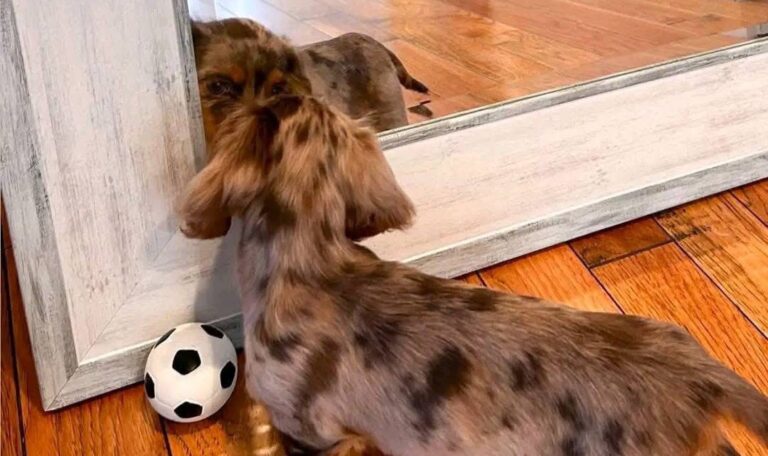
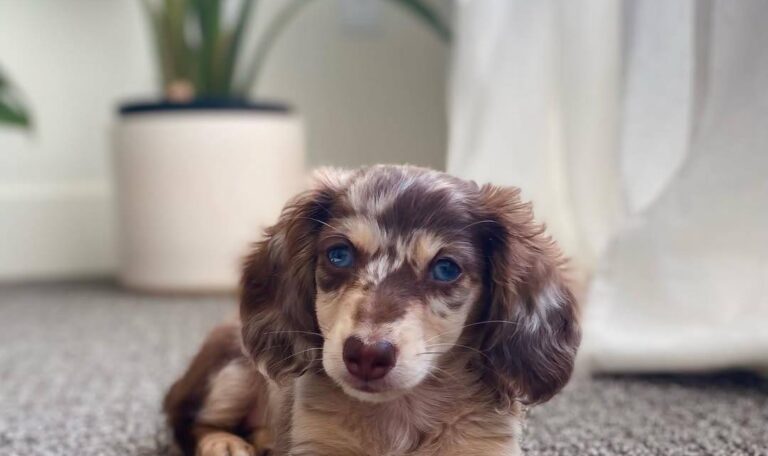
What you must do is this:

Get your dachshund out of bed in the middle of the night.

Weeping and pooping indoors throughout the night is common for young puppies. To begin with, their little bladders won’t hold that much water. It is important to keep in mind that if you are crate training, you will need to take him out at night.

Avoid playing with your dachshund at night.

Don’t interact with your dachshund when you’re out with him. Simply pick him up, carry him outdoors, place him on the grass, and utter the words “wee wee.” In the event that he becomes playful, disregard it. He will turn it into a game and keep you up all night if you talk to him, start worrying over him, or make it enjoyable!

Determine the cause of your dachshund’s tears.

To begin with, your dachshund will most likely cry at night as well. That is rather typical. However, you must determine whether he is genuinely in need of leaving, is frightened, or is just trying to get your attention. You can tell when his bladder is empty and when you’re ready for a few hours of sleep if you set your alarm and establish a pattern early on.

Position the crate next to your bed.

To reassure him throughout the night, it is ideal to begin with the crate next to your bed. You may progressively move the container farther away if you’d like over time. Where you want your dachshund to sleep is all that matters. It’s wise to give him some privacy at first. He will ultimately want to go to bed on his own and won’t always want to be in a box.

It could be difficult to begin this nightly ritual. Indeed, you will most likely miss out on sleep. But it’s well worth the rewards. During the initial phases, routine is crucial. Additionally, it is far simpler to teach a puppy new skills when they are young than it is to teach an elderly dog new ones!

Can you potty train an older dachshund?

Potty training an older dachshund can be hard work. Dachshunds are stubborn and tend to be set in their ways. Take him out regularly and crate him (for short periods) when you’re not in the room. Be patient and consistent and allow him time to learn.

Are dachshunds hard to potty train

You also need to think about any changes that have happened recently. When stressed, some dachshunds do what’s called ‘marking’ where they wee on furniture or areas around the home. They might start doing this after you move house, get another dog or have a baby. Get him back into boot camp and start following the routine again.

He may be going to bed with too much in his bladder if he keeps having accidents during the night. Try taking him outside right before bed, and make sure he eats at least five hours before bed. If you believe it’s a nervous issue, you can have him sleep in a crate, which should make him feel safer and prevent accidents.

It’s best to take precautions with older dogs and speak to a vet to rule out any serious problems. If all is ok and it’s just an age thing, you could try some dachshund diapers.

Should I use puppy pads to toilet train my dachshund?

No. Although using puppy pads can seem like the simple solution, it will become a very difficult habit to overcome. It may offer you a few more hours sleep in the early days, but it’s incredibly confusing for a dachshund and will make potty training much tougher in the long term.

Should I get an indoor puppy pen for my dachshund?

Indeed. Because it limits your puppy to a certain area of the house, a puppy enclosure is helpful. It’s a lot bigger room where your puppy can run around and play. Even with puppy enclosures, you still need to keep an eye on your dachshund and take him out on a regular basis.

Puppy pens or playpens are different to crates. A crate is a confined space used for short periods of time and overnight (with regular trips outside). A puppy pen is good because it’s bigger and can be used for longer. But, there’s a downside. Because the space is no longer confined, the puppy will wee and poo there. And it’s going to take double effort for your dachshund to get the hang of toilet training if you leave him for hours on end. Puppy pens work best alongside the 10-Step Toilet Training Boot Camp.

How do I stop my dachshund weeing when people visit?

The best thing you can do is train your friends and family. It’s much easier than trying to contain a giddy dachshund pup! Tell them he’s potty training and they need to be calm and ignore him when they first arrive – just for a short while until he settles down. The less fuss at the door, the less wee at the door!

If you’re expecting company, make sure you take him out immediately before they come. His excessive enthusiasm will be lessened as a result, preventing him from urinating on the floor, stepping in it, jumping all around, and getting it on everyone and everything!

Are dachshunds hard to potty train


What things do I need to potty train my dachshund?

To toilet train your dachshund, you’ll need the following:

  • Collar and lead
  • Treats
  • Crate
  • Puppy pen
  • Time and patience

Here’s what you should know:

Collar and lead: This will allow you to take him outside to the same location.

Treats: Carrots and mangos are nutritious and delicious raw foods that dachshunds like.

Crate:  Simply ensure that the crate is large enough for your dachshund to sit and stand comfortably.

Puppy pen: If you wish to first limit your puppy to a single part of the house, this might be helpful.

Time and patience: It may take some time for dachshunds to learn to use the bathroom, so be patient.


How long will it take to potty train my dachshund?

Typically, toilet training a dachshund takes three weeks to three months. The speed at which your dachshund picks things up and the consistency of your training will determine this. Due to their obstinate nature, dachshunds require patience and a willingness to put in the necessary time.

Are dachshunds hard to potty train

Your progress will be hindered if you just sometimes workout or alter your regimen or strategy. A well-trained sausage pup is the result of patience, commitment, and consistency!

What if I can’t potty train my dachshund?

Here’s what to do if your dachshund is struggling with toilet training:

  • Follow the routine.
  • Track toilet habits
  • Check you’re not overfeeding
  • Control when your dachshund goes outside
  • Do some general puppy training
  • Don’t be too hard on yourself
  • Speak to a vet

Here’s what you should

Follow the routine.
There are a lot of reasons why things don’t always go as planned. Put even more effort into your regimen. Puppies often need to poop within 15 to 20 minutes of feeding and pee as soon as they wake up. You must thus rise and leave at the break of day. No justifications! know:

Keep track of your potty habits.
Keep track of all the times your dog goes in a week and record them. You may then modify your potty-training timetable to accommodate his toilet habits if you begin to see trends. The majority of pups require urination every one to two hours during the day. Your dog won’t be able to handle it if you leave him alone for an extended period of time. And he is not to blame for it. He has more opportunities to learn what he’s meant to do the more you take him out.

Make sure you aren’t overfeeding.
Examine the food and quantity you are giving him. It’s possible that you are either overfeeding or not feeding at the appropriate time of day. Be careful not to give him human food as well. In addition to being unhealthy, anything very salty will cause him to drink more and urinate more.

Regulate when your dachshund leaves the house.
Don’t let your sausage dog to wander about the garden unattended until he is potty trained. This is not going to work. He won’t know where to use the restroom, what to do, or when to do it. Until he learns the ropes, he needs regularity and order.

Practice general puppy training.
Take him to puppy training classes or devote extra time to general puppy training. He must realize that you are the “alpha” and in command. He won’t listen to you or do whatever you want him to do if he’s controlling the household and getting away with it!

Be kind with yourself.
You’re certainly not the only person who never successfully toilet trains their dachshund. When they feel like it, dachshunds may be incredibly stubborn and intractable. It’s not your fault; it’s just their nature!

Consult a veterinarian

Are dachshunds hard to potty train

To rule out any significant health concerns, especially if you purchased your dachshund online from an unregistered breeder, consult a veterinarian if he has diarrhea or if you are at all concerned.

Why won’t my dachshund go out in the rain?

Dachshunds detest rain and cold. They become chilly easily because their stomachs are low to the ground. If you give your intelligent and obstinate dachshund the option of weeing outside on moist grass or within, he will much sooner poop by the door.

Take immediate action to stop that. Put on your wellies and join him outside. It should be lot more enjoyable as a result (for him, not you!). If not, take him up, gently place him on the grass, and wait; he will ultimately understand!

Does my dachshund need a coat?

Although they are helpful in cold and rainy weather, dachshunds do not require coats. You may purchase him a thick fleece for winter hikes and a jacket to keep him dry in the rain. Dachshunds appear to adore them, and their owners are big fans of fleeces.

Does my dachshund have a urinary tract infection?

Weeping in the home is typically a sign that your dachshund is still learning. However, a medical issue such as a urinary tract infection (UTI) may also be the reason. You should take your dachshund to the veterinarian if he appears to be weeing compulsively and continuously. Don’t worry too much; UTIs are usually rather straightforward to cure. Just schedule a visit with your veterinarian as soon as possible.

It’s time to enroll your dachshund in “Toilet Training Boot Camp” now that you know what to do! Don’t give up if he doesn’t take it up immediately. All he’s doing is figuring out what you want him to do. Both parties will need to put in time and effort. So, show him you’ve got his back and give him the direction he needs!

What do I do next?

If you’re the type of person who reads this post through to the end, I’d LOVE for you to tell your friends and family about our website. I really appreciate your support of my site, so please share this information below if it was useful to you. I’m grateful.

Should I Get Two Mini Dachshunds

Should I Get Two Mini Dachshunds?

where can I adopt a miniature dachshund? Are you thinking about getting two mini dachshunds? Or maybe you already have a dachshund and are thinking of getting another one? Wiener puppies Home will tell you all you need to know going to answer all your questions about living with two dachshunds.

Should you get two dachshunds? Yes, if you can afford two dachshunds and don’t mind the extra effort, acquiring two dachshunds can be a wonderful option. Dachshunds are pack animals that enjoy having a friend, but it may be wiser to introduce a second dog after the first has settled in.

Should I Get Two Mini Dachshunds?

Read on to find out how hard it is to look after two dachshunds, whether they need buddies, what you’ll need to buy, what the good and bad points of having two are, and whether they’ll fight with each other.

Do dachshunds need companions?

Yes, dachshunds need companions. But they’re equally happy with humans or dogs. If you play with him and give him plenty of attention, he’ll be happy as an only dog. If he gets lonely and you aren’t always around, you may want to consider getting a playmate.

In many cases, two is better than one. But, getting two littermates together, can sometimes lead to behavioural issues and aggression in the future. It’s called ‘littermate syndrome’. This can also happen with puppies of the same age and size that come from different litters (especially two females). So it may be better to wait until the first pup is 8-12 months old before bringing a second into your home.

Should I Get Two Dachshunds?

What is littermate syndrome

‘Littermate syndrome’ is when two puppy siblings get so profoundly linked that nothing else matters, including their owners! They’ll be fully emotionally dependent on each other and have acute separation anxiety if they’re ever separated (even for a few minutes).

They’ll stop interacting with people and won’t learn the basic training and obedience skills they need. This lack of socialisation and development leads to extreme fear of other people and dogs. As they reach maturity, littermates (especially two females) may fight or become aggressive towards each other. This can sometimes be so distressing that rehoming is the only option.

Will all dachshund siblings get littermate syndrome?

No, not all siblings that are raised together will get ‘littermate syndrome’. Lots of different things influence behaviour, including training, socialisation, early experiences and whether there are other dogs in the home. Some littermates will be the best of buddies and live happily together. It’s just something to be aware of (especially with two female pups) and get advice from your vet and breeder about.

Can you prevent littermate syndrome in dachshunds?

Although genetics is said to play a part, you can do things to help prevent ‘littermate syndrome’. The main thing is to treat each dachshund as an individual dog. While they’re still pups, work on separating them for part of the day. This means separate crates, one-on-one training, separate training and socialization classes, separate trips to the vet, separate feeding areas, separate sleeping areas, and even walking them on their own occasionally too.

You just want to raise them as independent, well-socialised dachshunds. They need to learn how to cope on their own and that you’re in charge of the pack. If they’re too bonded and distracted by each other, it can lead to unhealthy behaviours and cause serious issues with training, obedience and aggression.

Should I Get Two Dachshunds?
What is the best age to get a second dachshund?

How to crate train dachshundThe best age to get a second dachshund is when the first one is at least 8-12 months old. In fact, anything between 8 months and 5 years is ideal because the older dachshund will still be young enough to play, but old enough to (hopefully) help train the new pup! The older dog will also be established in the pack and the young pup won’t try to challenge this.

That’s not to say older or senior dachshunds won’t be OK with a new puppy, but some may struggle or get irritated by all that boundless energy! It just depends on the dog.

But this doesn’t automatically mean you should rush out and get a companion for your dachshund. If you’ve lived with one dachshund in your home for a while, he might like having his own space and may hate having another dog around.

Dachshunds are independent and feisty and this can sometimes be a problem when introducing a second dachshund. So spend time working out if your dachshund would be able to cope with it. If he’s fairly chilled, he should be ok. But if he’s in his senior years, territorial or very attached to you, it might not be a good idea. Whatever you decide, take the time to introduce your dachshund to his new pal slowly and responsibly.

How do I choose the sex of my second dachshund?

In general, two guys do far better than two girls. Raising two females together, particularly those of the same age or from the same litter, can often result in fighting when they reach adulthood. This is less typical with two boys, but you should still spread their ages by at least 8 to 12 months.

Male and female dachshunds (with an age span of at least 8-12 months) also perform well in packs, but you need to think about how that’ll work. For obvious reasons, it’s more challenging having a ‘entire male’ in the same residence as a ‘female in season’. They’d have to be separated for a few weeks or live with family or friends during that period.

Yes, you can neuter or spay in time. However, dachshunds are prone to back issues, and early neutering is thought to enhance the risk. Ask your veterinarian for advice.

What is littermate syndrome

If you have two dachshunds, you should consider the following one-time costs:

  • 2 beds
  • 2 leads
  • 2 harnesses
  • 2 collars
  • 2 ID tags
  • 2 food bowls
  • 2 water bowls
  • 2 crates
  • 2 doggy toothbrushes
  • Grooming brushes,
  • scissors and nail clippers
  • Ramp(s)
  • The cost of buying the dachshund(s)
  • 2 lots of microchipping (the breeder or rehoming Centre might cover this)
  • Neutering for 2 dogs (read about the risks of neutering too young)
  • 2 lots of vet bills (jabs and check-ups etc.)

These are the recurring costs of owning two dachshunds.

  • Pet insurance
  • Dog food
  • Poo bags
  • Annual booster jabs
  • Doggy toothpaste
  • Doggy shampoo
  • Doggy conditioner
  • Dog Toys
  • Dog Treats
  • Flea treatments
  • Worming medication
  • Vet bills!

And you’ll also need to think about what you’d do if either of your dachshunds had an accident or got sick. And then there’s the cost or dog sitters for when you go on holiday, doggy day care, walkers or sitters (if you use them), and you can double all these costs when thinking about how much two little sausage dogs will cost.

Each dachshund need his own belongings. Some items, like as bedding, a leash, and a collar, will last a long time, but others may incur ongoing expenditures, so budget accordingly.

What are the disadvantages of owning two dachshunds?

It can be difficult to have two dachshunds. Here’s why:

  • Double the noise
  • Less space
  • Training difficulties
  • Competitive streak
  • Jealousy
  • A shift in dynamic
  • Bad habits

This is what you need to know:

Double the noise

Dachshunds are noisy. When you put two of them together, everything becomes louder. You can train them to stop barking so much, but there’s not much you can do if they’re constantly setting each other off.

Less space

Although they are little, having second dachshund in the house takes up additional area. Are you sure you have enough place to have two running around? Do you have a yard or outdoor space where they can burn off steam?

Training difficulties

It can be hard to train two pups at once because they’ll get distracted by each other. And each dachshund might be aware of the other one getting a treat or more attention. You’d need a friend or relative to help you out so you can train the puppies separately.

This is another reason why having two dachshunds at least 8-12 months apart is preferable. That way, you may concentrate on training one at a time. The elder one will then (ideally) assist in teaching the smaller dog, making things like toilet training easier the second time around – assuming you nailed it the first time!

Competitive streak

Dachshunds are competitive, which might cause some rivalry. Watch out for them attempting to outdo each other; they may become too feisty and need to be separated. This does not happen to all dachshunds and is more often among two females and littermates, but it is something to be aware of.

Jealousy

Dachshunds become envious if another dog receives more attention than them. Every member of the family should divide the affection as evenly as possible.

A shift in dynamic

If you get another dog, you will most likely no longer be your dachshund’s best pal. Are you OK with that?

Bad habits

Some dogs can influence one other’s behavior in negative ways, and they can learn harmful behaviors. That is why you should not adopt a second dachshund only to alleviate the first dog’s separation anxiety or hostility; you may wind up with two anxious or snappy dogs.

Will the two dachshunds fight?

Two dachshunds should not fight as long as they are at various periods of their life and are given equal care, so they do not get jealous or possessive. The optimal age gap is between 8 months and 5 years, however there is no fixed guideline.

As previously said, finding two dachshunds of similar ages or from the same litter is more difficult. When they reach adulthood, they may fight or become violent toward one another. This is particularly prevalent among two ladies. Most breeders will not let you accept two siblings from the same litter for that reason.

It can be more difficult to introduce a second dachshund once the first has settled in, although this varies every dog. Dachshunds are social tiny dogs who like playing with other dogs, particularly dachshunds. So many sausage dogs would fit wonderfully in a family with two dachshunds.

Is it okay to have two Dachshunds?

It can be beneficial to have two dachshunds. Here’s why.

  • Your dachshunds will never get bored.
  • They will settle quickly.
  • Socialization will become easy.
  • Older canines could take youngsters under their care.
  • Double the fun!

Here’s what Wiener puppies Home wants you to know

Your dachshunds will never get bored.

Your little sausages will exhaust themselves, making them less likely to be noisy or disruptive due to boredom. Having a playmate keeps children happy, healthy, and cognitively active, allowing them to play in ways that are natural to them.

They will settle quickly.

Two dachshunds will calm down much faster since they may rely on each other for reassurance and comfort. They are also less prone to develop separation anxiety because they will not be as dependent on you for support and attention.

Socialization will become easy.

Dachshunds are known to be territorial and suspicious of strangers. However, if they have a canine companion from a young age, they will most likely be more relaxed among new canines and humans.

Older canines could take youngsters under their care.

If you have an adult dachshund and introduce a new puppy, the older dog can have a positive impact on the younger one (if the elder dog is well-trained). This isn’t always the case, but it’s a lovely little bonus when it does.

Double the fun!

Who doesn’t want two (or more!) of these amusing little clowns running around? Dachshunds are wonderful dogs, full of love, devotion, and fun!

Conclusion

So there you have it. Dachshunds like having other sausage dogs around to play with, but there is one disadvantage. Two dachshunds are more expensive, require more effort, can be noisy, and may cause a shift in the household dynamic. But then again, they’ll never be bored, they’ll keep each other company, and they’ll provide twice the love and have twice the pleasure! So now it is up to you to pick whether you want one or two sausages!

Should I Get Two Dachshunds?

Should I Get Two Dachshunds?

Should I Get Two Dachshunds? Are you thinking about getting two dachshunds? Or maybe you already have a dachshund and are thinking of getting another one? Wiener puppies Home will tell you all you need to know going to answer all your questions about living with two dachshunds.

Should you get two dachshunds? Yes, if you can afford two dachshunds and don’t mind the extra effort, acquiring two dachshunds can be a wonderful option. Dachshunds are pack animals that enjoy having a friend, but it may be wiser to introduce a second dog after the first has settled in.

Should I Get Two Dachshunds?

Read on to find out how hard it is to look after two dachshunds, whether they need buddies, what you’ll need to buy, what the good and bad points of having two are, and whether they’ll fight with each other.

Do dachshunds need companions?

Yes, dachshunds need companions. But they’re equally happy with humans or dogs. If you play with him and give him plenty of attention, he’ll be happy as an only dog. If he gets lonely and you aren’t always around, you may want to consider getting a playmate.

In many cases, two is better than one. But, getting two littermates together, can sometimes lead to behavioural issues and aggression in the future. It’s called ‘littermate syndrome’. This can also happen with puppies of the same age and size that come from different litters (especially two females). So it may be better to wait until the first pup is 8-12 months old before bringing a second into your home.

Should I Get Two Dachshunds?

What is littermate syndrome

‘Littermate syndrome’ is when two puppy siblings get so profoundly linked that nothing else matters, including their owners! They’ll be fully emotionally dependent on each other and have acute separation anxiety if they’re ever separated (even for a few minutes).

They’ll stop interacting with people and won’t learn the basic training and obedience skills they need. This lack of socialisation and development leads to extreme fear of other people and dogs. As they reach maturity, littermates (especially two females) may fight or become aggressive towards each other. This can sometimes be so distressing that rehoming is the only option.

Will all dachshund siblings get littermate syndrome?

No, not all siblings that are raised together will get ‘littermate syndrome’. Lots of different things influence behaviour, including training, socialisation, early experiences and whether there are other dogs in the home. Some littermates will be the best of buddies and live happily together. It’s just something to be aware of (especially with two female pups) and get advice from your vet and breeder about.

Can you prevent littermate syndrome in dachshunds?

Although genetics is said to play a part, you can do things to help prevent ‘littermate syndrome’. The main thing is to treat each dachshund as an individual dog. While they’re still pups, work on separating them for part of the day. This means separate crates, one-on-one training, separate training and socialization classes, separate trips to the vet, separate feeding areas, separate sleeping areas, and even walking them on their own occasionally too.

You just want to raise them as independent, well-socialised dachshunds. They need to learn how to cope on their own and that you’re in charge of the pack. If they’re too bonded and distracted by each other, it can lead to unhealthy behaviours and cause serious issues with training, obedience and aggression.

Should I Get Two Dachshunds?

What is the best age to get a second dachshund?

How to crate train dachshundThe best age to get a second dachshund is when the first one is at least 8-12 months old. In fact, anything between 8 months and 5 years is ideal because the older dachshund will still be young enough to play, but old enough to (hopefully) help train the new pup! The older dog will also be established in the pack and the young pup won’t try to challenge this.

That’s not to say older or senior dachshunds won’t be OK with a new puppy, but some may struggle or get irritated by all that boundless energy! It just depends on the dog.

But this doesn’t automatically mean you should rush out and get a companion for your dachshund. If you’ve lived with one dachshund in your home for a while, he might like having his own space and may hate having another dog around.

Dachshunds are independent and feisty and this can sometimes be a problem when introducing a second dachshund. So spend time working out if your dachshund would be able to cope with it. If he’s fairly chilled, he should be ok. But if he’s in his senior years, territorial or very attached to you, it might not be a good idea. Whatever you decide, take the time to introduce your dachshund to his new pal slowly and responsibly.

How do I choose the sex of my second dachshund?

In general, two guys do far better than two girls. Raising two females together, particularly those of the same age or from the same litter, can often result in fighting when they reach adulthood. This is less typical with two boys, but you should still spread their ages by at least 8 to 12 months.

Male and female dachshunds (with an age span of at least 8-12 months) also perform well in packs, but you need to think about how that’ll work. For obvious reasons, it’s more challenging having a ‘entire male’ in the same residence as a ‘female in season’. They’d have to be separated for a few weeks or live with family or friends during that period.

Yes, you can neuter or spay in time. However, dachshunds are prone to back issues, and early neutering is thought to enhance the risk. Ask your veterinarian for advice.

What is littermate syndrome

If you have two dachshunds, you should consider the following one-time costs:

  • 2 beds
  • 2 leads
  • 2 harnesses
  • 2 collars
  • 2 ID tags
  • 2 food bowls
  • 2 water bowls
  • 2 crates
  • 2 doggy toothbrushes
  • Grooming brushes,
  • scissors and nail clippers
  • Ramp(s)
  • The cost of buying the dachshund(s)
  • 2 lots of microchipping (the breeder or rehoming Centre might cover this)
  • Neutering for 2 dogs (read about the risks of neutering too young)
  • 2 lots of vet bills (jabs and check-ups etc.)

These are the recurring costs of owning two dachshunds.

  • Pet insurance
  • Dog food
  • Poo bags
  • Annual booster jabs
  • Doggy toothpaste
  • Doggy shampoo
  • Doggy conditioner
  • Dog Toys
  • Dog Treats
  • Flea treatments
  • Worming medication
  • Vet bills!

And you’ll also need to think about what you’d do if either of your dachshunds had an accident or got sick. And then there’s the cost or dog sitters for when you go on holiday, doggy day care, walkers or sitters (if you use them), and you can double all these costs when thinking about how much two little sausage dogs will cost.

Each dachshund need his own belongings. Some items, like as bedding, a leash, and a collar, will last a long time, but others may incur ongoing expenditures, so budget accordingly.

What are the disadvantages of owning two dachshunds?

It can be difficult to have two dachshunds. Here’s why:

  • Double the noise
  • Less space
  • Training difficulties
  • Competitive streak
  • Jealousy
  • A shift in dynamic
  • Bad habits

This is what you need to know:

Double the noise

Dachshunds are noisy. When you put two of them together, everything becomes louder. You can train them to stop barking so much, but there’s not much you can do if they’re constantly setting each other off.

Less space

Although they are little, having second dachshund in the house takes up additional area. Are you sure you have enough place to have two running around? Do you have a yard or outdoor space where they can burn off steam?

Training difficulties

It can be hard to train two pups at once because they’ll get distracted by each other. And each dachshund might be aware of the other one getting a treat or more attention. You’d need a friend or relative to help you out so you can train the puppies separately.

This is another reason why having two dachshunds at least 8-12 months apart is preferable. That way, you may concentrate on training one at a time. The elder one will then (ideally) assist in teaching the smaller dog, making things like toilet training easier the second time around – assuming you nailed it the first time!

Competitive streak

Dachshunds are competitive, which might cause some rivalry. Watch out for them attempting to outdo each other; they may become too feisty and need to be separated. This does not happen to all dachshunds and is more often among two females and littermates, but it is something to be aware of.

Jealousy

Dachshunds become envious if another dog receives more attention than them. Every member of the family should divide the affection as evenly as possible.

A shift in dynamic

If you get another dog, you will most likely no longer be your dachshund’s best pal. Are you OK with that?

Bad habits

Some dogs can influence one other’s behavior in negative ways, and they can learn harmful behaviors. That is why you should not adopt a second dachshund only to alleviate the first dog’s separation anxiety or hostility; you may wind up with two anxious or snappy dogs.

Will the two dachshunds fight?

Two dachshunds should not fight as long as they are at various periods of their life and are given equal care, so they do not get jealous or possessive. The optimal age gap is between 8 months and 5 years, however there is no fixed guideline.

As previously said, finding two dachshunds of similar ages or from the same litter is more difficult. When they reach adulthood, they may fight or become violent toward one another. This is particularly prevalent among two ladies. Most breeders will not let you accept two siblings from the same litter for that reason.

It can be more difficult to introduce a second dachshund once the first has settled in, although this varies every dog. Dachshunds are social tiny dogs who like playing with other dogs, particularly dachshunds. So many sausage dogs would fit wonderfully in a family with two dachshunds.

Is it okay to have two Dachshunds?

It can be beneficial to have two dachshunds. Here’s why.

  • Your dachshunds will never get bored.
  • They will settle quickly.
  • Socialization will become easy.
  • Older canines could take youngsters under their care.
  • Double the fun!

Here’s what Wiener puppies Home wants you to know

Your dachshunds will never get bored.

Your little sausages will exhaust themselves, making them less likely to be noisy or disruptive due to boredom. Having a playmate keeps children happy, healthy, and cognitively active, allowing them to play in ways that are natural to them.

They will settle quickly.

Two dachshunds will calm down much faster since they may rely on each other for reassurance and comfort. They are also less prone to develop separation anxiety because they will not be as dependent on you for support and attention.

Socialization will become easy.

Dachshunds are known to be territorial and suspicious of strangers. However, if they have a canine companion from a young age, they will most likely be more relaxed among new canines and humans.

Older canines could take youngsters under their care.

If you have an adult dachshund and introduce a new puppy, the older dog can have a positive impact on the younger one (if the elder dog is well-trained). This isn’t always the case, but it’s a lovely little bonus when it does.

Double the fun!

Who doesn’t want two (or more!) of these amusing little clowns running around? Dachshunds are wonderful dogs, full of love, devotion, and fun!

Conclusion

So there you have it. Dachshunds like having other sausage dogs around to play with, but there is one disadvantage. Two dachshunds are more expensive, require more effort, can be noisy, and may cause a shift in the household dynamic. But then again, they’ll never be bored, they’ll keep each other company, and they’ll provide twice the love and have twice the pleasure! So now it is up to you to pick whether you want one or two sausages!